Facebook Twitter Instagram YouTube

Written on: July 28th, 2026 in Education and Outreach
By Alison Rogerson, DNREC Wetland Monitoring and Assessment Program
What is the News About?
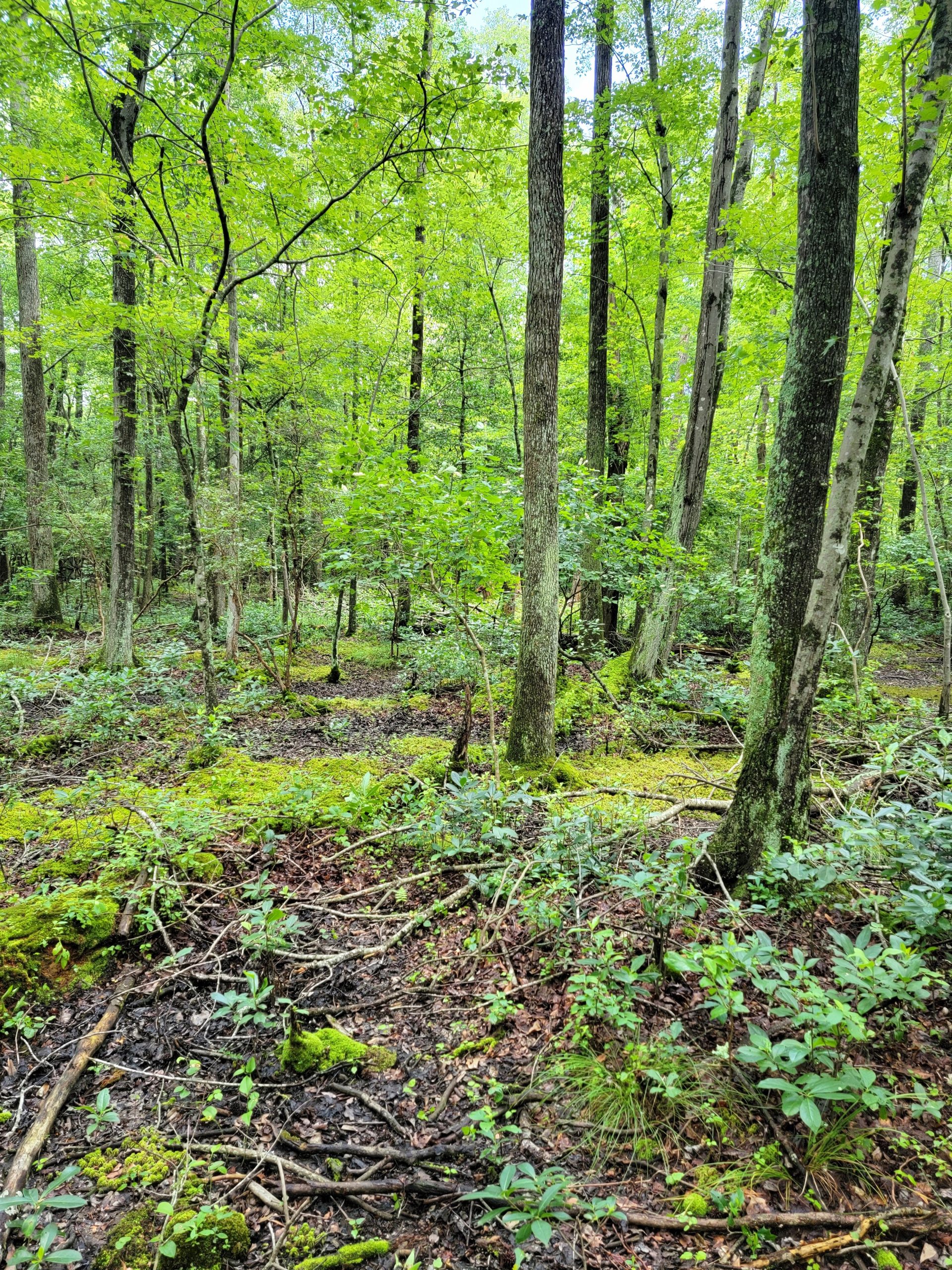
Senate Bill 9, also known as the Wetlands Stewardship Act, was sponsored and coordinated by Senator Stephanie Hansen and presented to the 153rd Delaware General Assembly in May for consideration. It passed the Senate unanimously and in the last hours of the legislative session on July 1 it passed the House. On July 21, Governor Matt Meyer signed this historic piece of legislation at the Russell Peterson Wildlife Refuge, a sanctuary along the Christina River that contains tidal and freshwater wetlands, making the Wetland Stewardship Act official.
Why is this Act Significant?
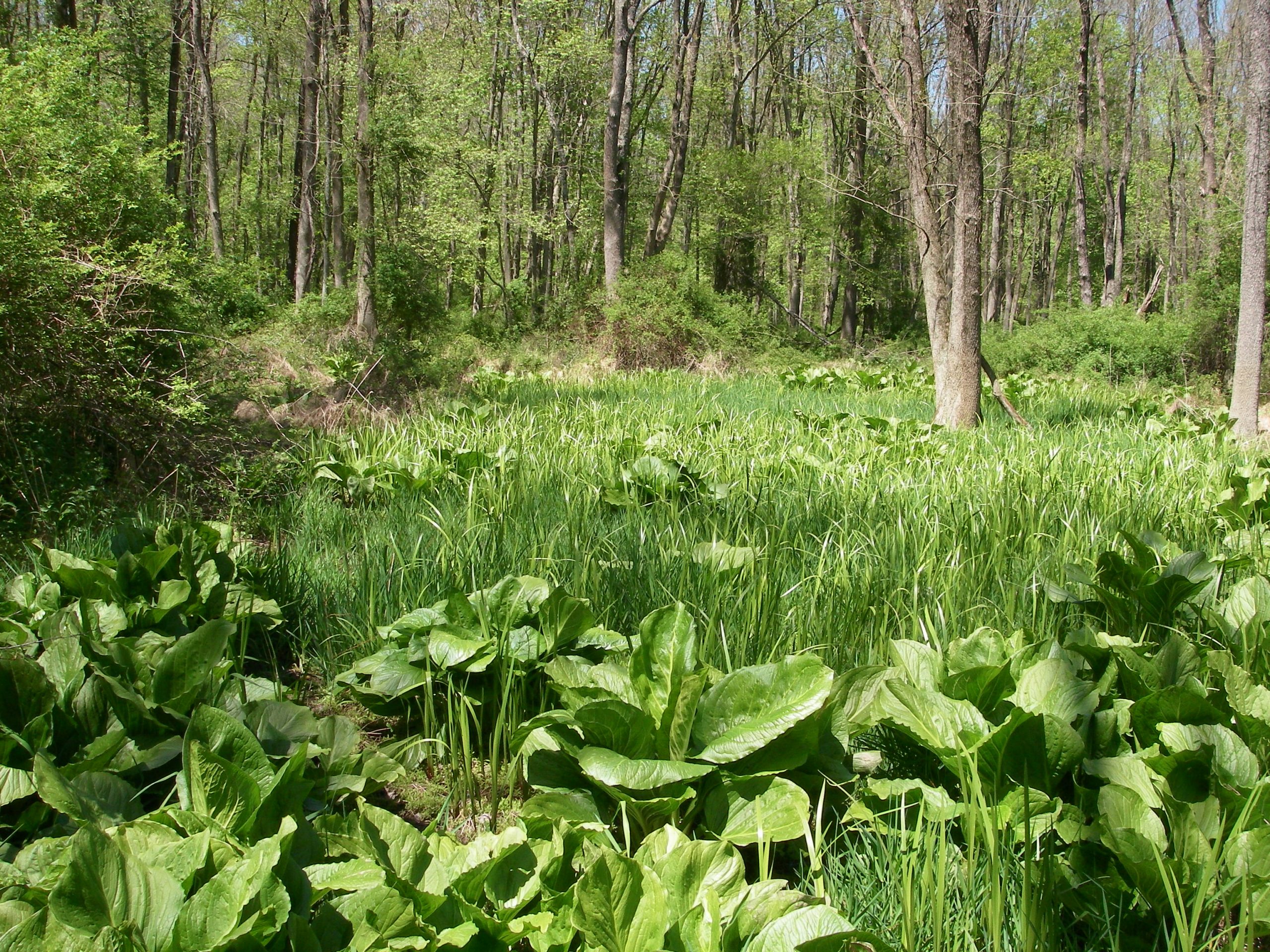
Even though every state around Delaware has the authority to regulate activities in both tidal and nontidal wetlands, DNREC’s authority has been largely limited to tidal wetlands only. Limited regulation of freshwater wetlands was historically the hands of the federal government. Many attempts over the past 30 plus years have been made to expand Delaware’s state wetland protection unsuccessfully. The Wetlands Stewardship Act gives DNREC the authority to regulate activities in freshwater wetlands, commits the financial and staffing resources to DNREC necessary to build and run a successful program, tasks DNREC with developing useful and predictable technical resources, and calls for the formation of a stakeholder team that will develop many of the important program details. Unique to this bill is that a group of stakeholders are charged with developing specific recommendations to build out the regulations that DNREC will then follow.
How Did this Come About?
The last earnest attempt at a state freshwater wetland program was in 2013-2014. In 2020, the federal administration restricted the definition of regulated wetlands with the Navigable Waters Protection Rule which left roughly 30,000 acres of privately owned freshwater wetlands in Delaware federally unregulated and vulnerable to conversion and loss. In June 2021 Senator Stephanie Hansen helped pass Senate Joint Resolution 2 which directed DNREC to investigate and report back on the legal, fiscal and administrative requirements to support a comprehensive state program and to report on how many and which wetlands currently lacked federal protection which we did in September 2022.
Shortly after that the Sackett vs. EPA ruling in May 2023 further reduced the jurisdiction of the Waters of the US, and DNREC was asked to update the 2022 report through the Senate Continuing Resolution 86, which required updated calculations on wetland acreage lacking federal protection and revised recommendations for a comprehensive wetland program. Our analysis estimated that the new ruling now left 75,000 acres of freshwater wetlands in Delaware federally unregulated and vulnerable to direct conversion and loss. Recommendations were for a comprehensive state programmatic general wetland process that protects wetlands statewide. These reductions in federal jurisdiction and protection nationwide were seen as a call for states to step up and protect their own resources.
Senator Stephanie Hansen committed herself to the cause and led the charge to develop a piece of legislation that expanded DNREC’s ability to regulate and protect freshwater wetlands. The process to draft bipartisan legislation required input from a wide range of stakeholders including the environmental, agricultural and development communities. A long list of groups met regularly for over two years to learn, discuss and sometimes argue about how to protect wetland resources in a way that is predictable, effective and balanced with thoughtful economic advances. The result of this long, detailed, inclusive process was support (or lack of opposition) of the bill from all the major stakeholder groups. This bill did what so many before it could not by getting over the finish line, and it required patience, collaboration, compromise and endurance.
What Happens Now?
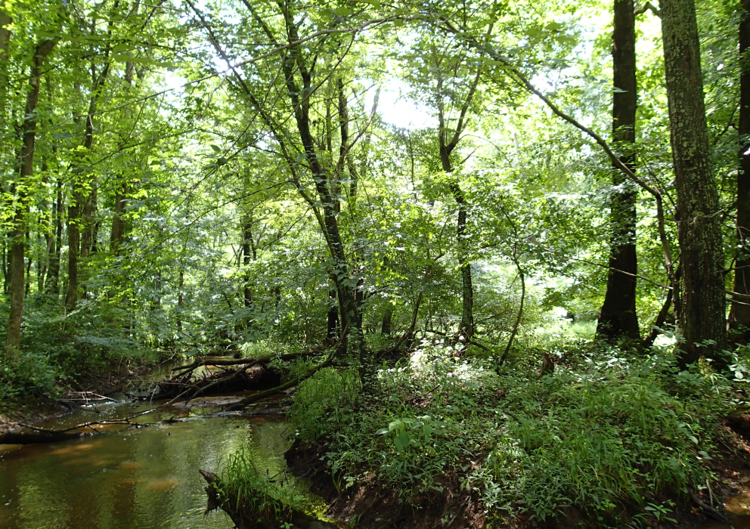
Today we celebrate the final step in Senate Bill 9 becoming official but, as many of us know, our work is not over. A Regulatory Advisory Committee comprised of 25 invited members from the environmental, agriculture and development communities will meet monthly for the next year to work out regulatory details on how DNREC will implement the expanded program. We need to coordinate with federal agencies such as the EPA and Army Corps. Our wetland program in DNREC is already working on the process to update statewide wetland maps to support decision making, as well as developing online and in-field evaluation tools that can help landowners and regulators alike in determining the appropriate permitting path for each case. DNREC will expand its team of staff to provide an efficient permitting experience and will evaluate its performance after three years to identify necessary tweaks. We are excited and proud to take part in this process and know that we arrived here through the dedication of so many.
Delaware's Governor
State Agencies
Elected Officials
General Assembly
Delaware Courts
State Employees
Cities & Towns
Delaware State Code
State Regulations
Business First Steps
Phone Directory
Locations Directory
Public Meetings
Voting & Elections
Transparency
Delaware Marketplace
Tax Center
Personal Income Tax
Privacy Policy
Weather & Travel
Contact Us
Corporations
Franchise Tax
Gross Receipts Tax
Withholding Tax
Delaware Topics
Help Center
Mobile Apps
E-mail / Text Alerts
Social Media


Built by the Government Information Center
©MMXVIII Delaware.gov

