Facebook Twitter Instagram YouTube

Written on: July 17th, 2026 in Education and Outreach
By Lenore Tedesco, PhD, Executive Director of The Wetlands Institute
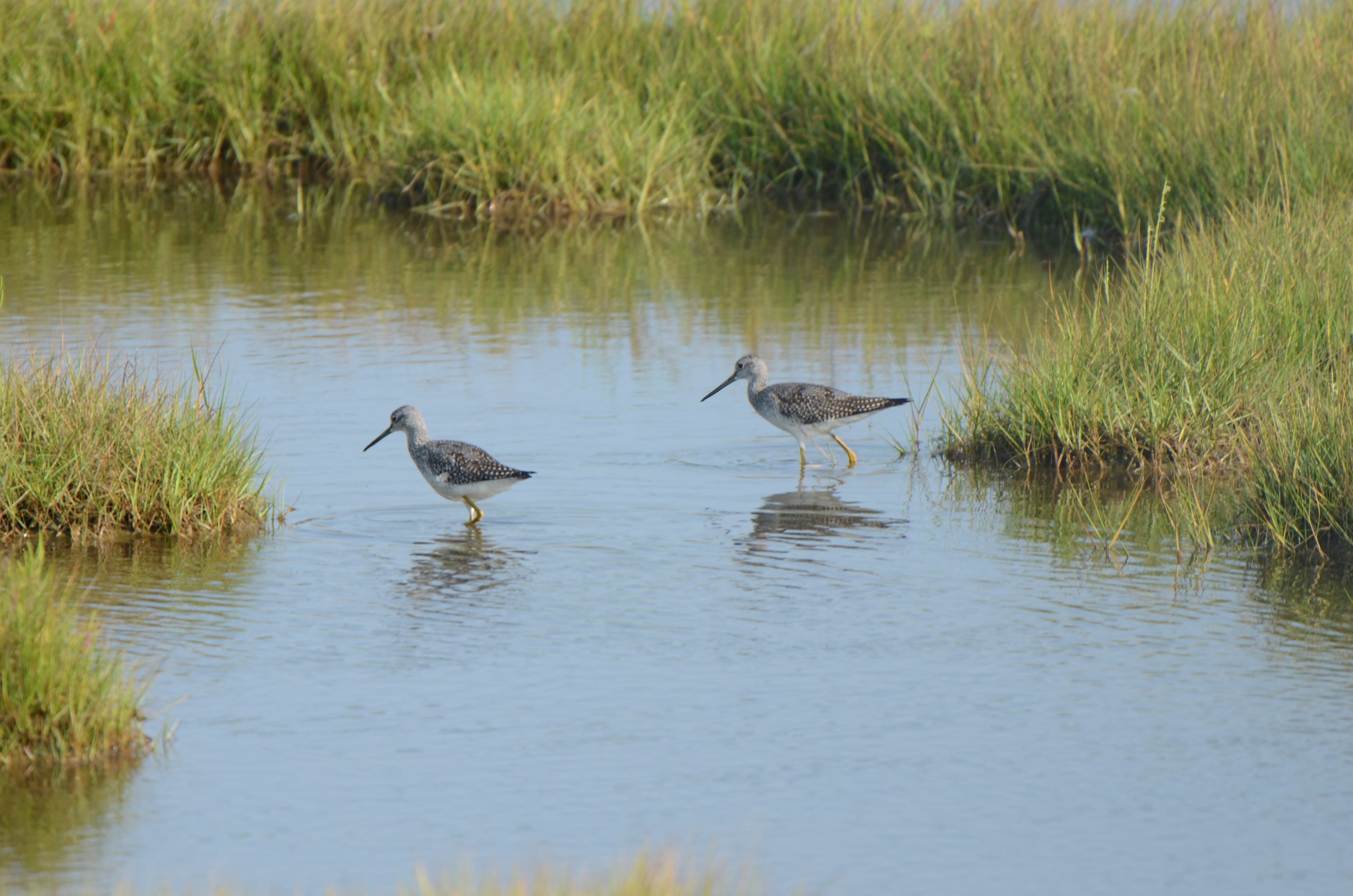
Coastal wetlands are ecosystems and dynamic geomorphic features that help define much of the mid-Atlantic’s natural environment, especially across Delaware and New Jersey. They provide critical habitat and breeding grounds for marine life and coastal birds and protect the coastlines from storm waves and flooding. Coastal wetlands also filter water flowing to the sea, acting as nature’s kidneys. They are part of a fragile system that stretches along the entire U.S. Atlantic coast.
According to the EPA, by the mid-1970s, more than half the salt marshes and mangrove forests that were present along the Atlantic and Gulf coasts in pre-colonial times had been destroyed. Coastal wetlands were seen not as ecosystems but as a nuisance to be drained, dredged, or filled.
Raising the Alarm to Defend Marshes
In many ways, the effort to protect America’s coastal wetlands started across the Delaware Bay, on the New Jersey Shore, with what is now The Wetlands Institute. In 1969 Herbert Mills, who had left the business world to become the first executive director of The World Wildlife Fund, guided the organization to purchase 6,000 acres of salt marsh in Middle Township, New Jersey.
The year prior, a colossal nor’easter raked the East Coast, including hurricane force winds and tides up to five feet above normal in Delaware. In the aftermath of the storm, speaking to the World Wildlife Fund, Mills captured the value of coastal wetlands not only to New Jersey but also to other coastal states as well. He was speaking of the value of wetlands for coastal resilience decades before others would.
“The alarming losses to our fishing economy, the declining catches of menhaden and other commercial and sport fish, and the pollution and silting caused by dredging, all point to the need for preserving these meadowlands and watercourses.”
“[The] recent storm clearly demonstrated the importance of these marshlands. With hundreds of billions of gallons of ocean water pounding our coasts and surging through our inlets to be received by these vast natural reservoirs, the pressure was relieved along the beachfront and multimillion-dollar damage averted.”
Founded “to Promote appreciation, Understanding, and Stewardship”
Mills would then go on to found The Wetlands Institute, with a mission “to promote appreciation, understanding, and stewardship of wetlands and coastal ecosystems through programs in research, conservation, and education.” The Wetlands Institute was at the forefront of a change in public and government perceptions of wetlands and the environment across the late sixties and early seventies helping to shepherd important wetland protections and change perception of their value. During that same period, the Delaware Department of Natural Resources and Environmental Control was established in 1970. That was the same year that the National Environment Protection Act was passed, and the Environmental Protection Agency was formed.
A Worldwide Leader in Research, Conservation, and Education
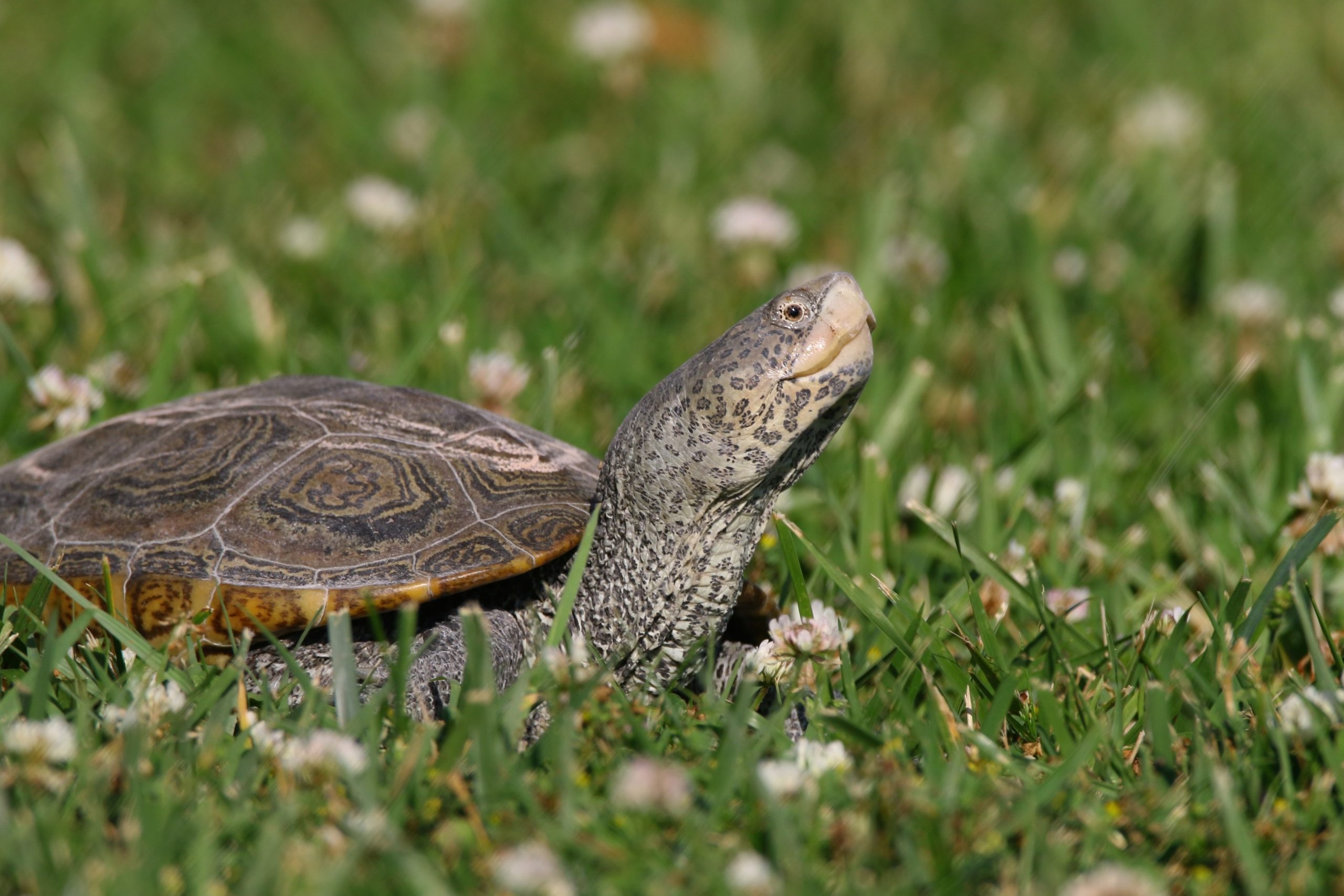
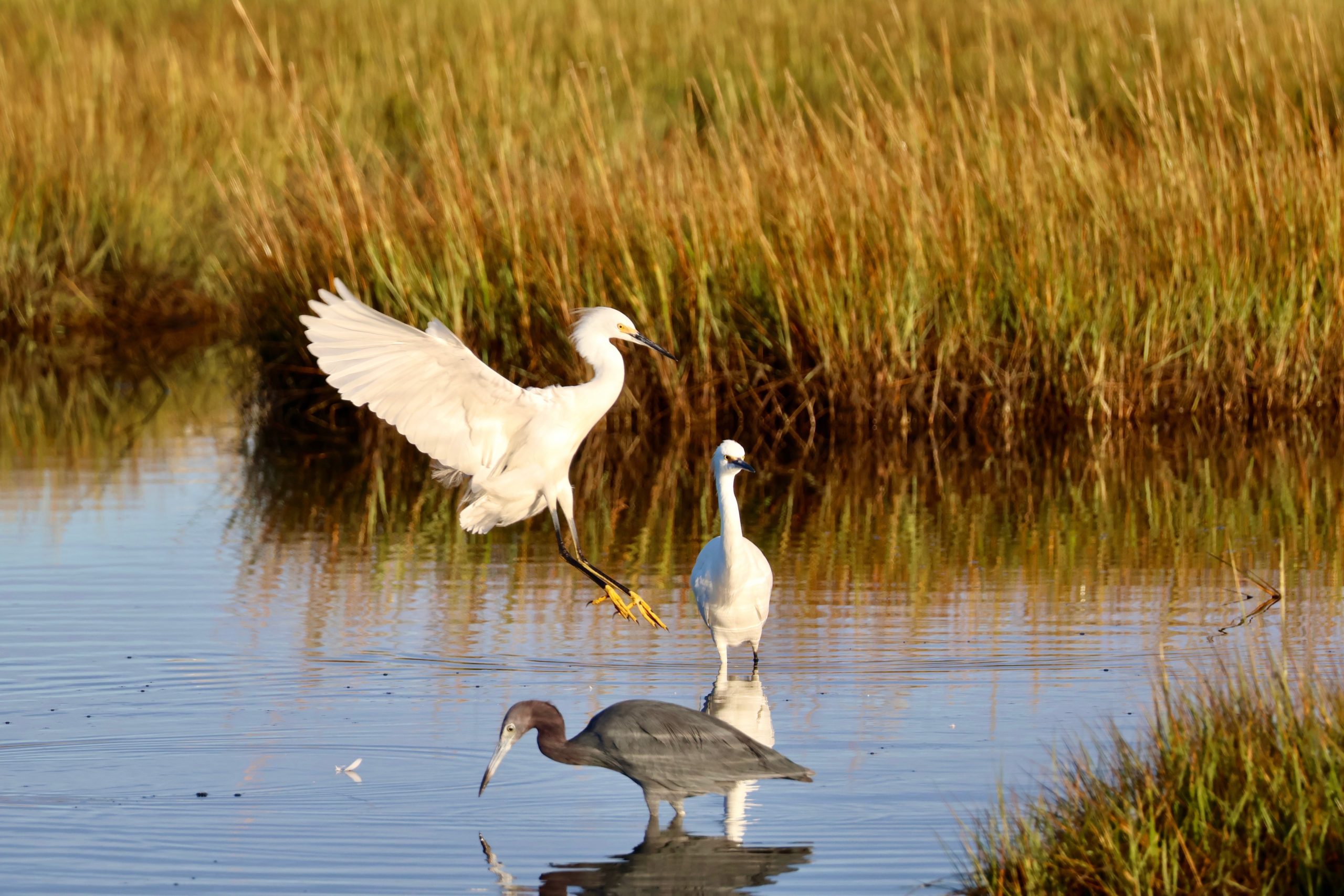
In the decades since, The Wetlands Institute has become a recognized leader in research, conservation, and education. Their research and conservation efforts focus on the foundational health of wetlands and the at-risk species that rely on them. These keystone species, whose presence in an ecosystem are disproportionately valued, include diamondback terrapins and horseshoe crabs, and the interconnected fate of shorebirds and marsh nesting birds. In the past decade, The Wetland Institute’s work has focused on developing the tools to implement marsh restoration projects and the assessment of changes to populations of these keystone species and how they respond to restoration projects. The coastal bird research program works with beach-nesting birds such as American oystercatchers and black swimmers; wading birds, including herons, egrets, and ibis; and elusive marsh dwellers such as the clapper rail, seaside sparrow, and saltmarsh sparrows, that also call Delaware’s coastal wetlands home. They also pioneered work on bycatch reduction devices for use in crab traps to help reduce terrapin mortality in these traps, plus continue to work on applied research to help stabilize terrapin populations.
The Wetlands Institute uses its applied research programs to create community-based conservation programs that employ best practices they help to develop. Their programs engage volunteers and the community in efforts to protect and rescue diamondback terrapins along roadways and protect their nests from predators. The reTURN the Favor Program works along the Delaware Bayshore of NJ in ways similar to Delaware horseshoe crab rescue programs, and has rescued more than 1 million crabs since program inception.
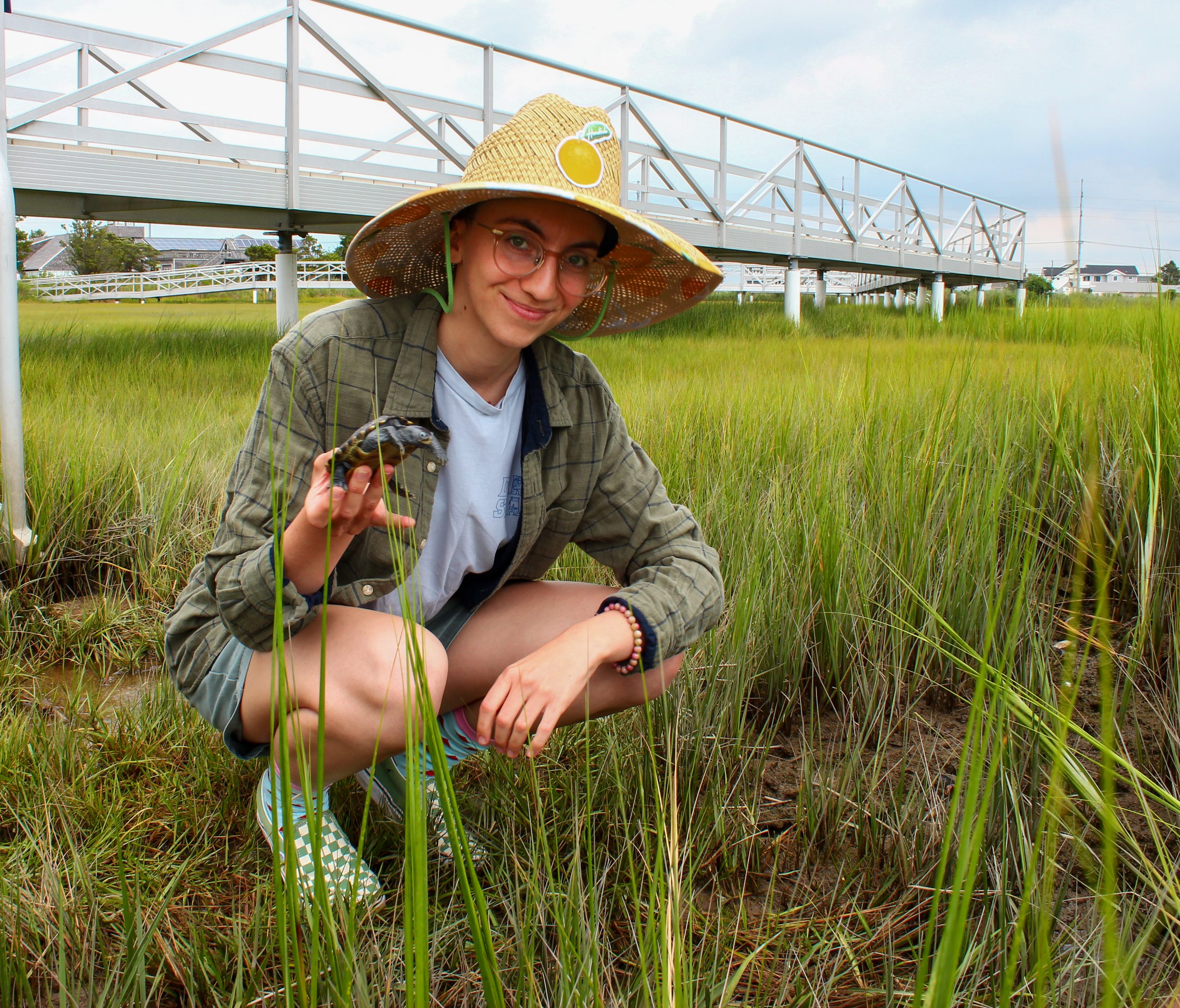
Early career training is an important cornerstone of The Wetlands Institute’s research and conservation program. Each summer, undergraduate interns work alongside research scientists and conduct their own research projects, while environmental education interns work with the education department to explore careers in environmental education. The education department hosts teacher training workshops focused on climate change curriculum. Every year, scientists, researchers and educators from around the globe visit The Wetlands Institute to learn from its applied research and meaningful conservation programs.
A Summer Tradition and Hands-on Learning
For more than a half century, visits to The Wetlands Institute campus in Stone Harbor, New Jersey – with its hands-on activities and experiences – have also been a summer tradition for generations of visitors and residents. During the season, The Wetlands Institute hosts a half dozen or more fun and educational programs – including aquarium feedings, guided tours of the marsh, “Creature Features,” and fishing and crabbing. They also offer their Summer Nature Programs, providing themed weeklong programs of in-person experimentation, exploration, field trips, beach days, and more for children ages four to 13.
Responding to New and Future Threats
Today, The Wetlands Institute is reimagining itself to meet emerging and future environmental challenges. When The Wetlands Institute was founded, marshes were under dire threat from development. That threat remains, but a new threat has arisen – literally. Sea level rise is drowning marshes and swallowing habitat, while more intense coastal storms and increasingly common high-water events bring frequent flooding. The loss of marsh area reduces their ability to absorb floodwater and reduce storm surge, while marsh loss and habitat conversion upset their ecological function.
The Wetlands Institute’s Coastal Sustainability and Wetlands Health Program has been monitoring wetlands and coastal bird and diamondback terrapin populations while gathering important information on marsh elevation, sediment accumulation, and marsh vegetation cover, along with other factors. This research is developing critical baseline information to understand how coastal salt marshes are responding to increased flooding under sea level rise, identify areas in need of restoration, and inform future restoration efforts.
The Marshes are Rising Again
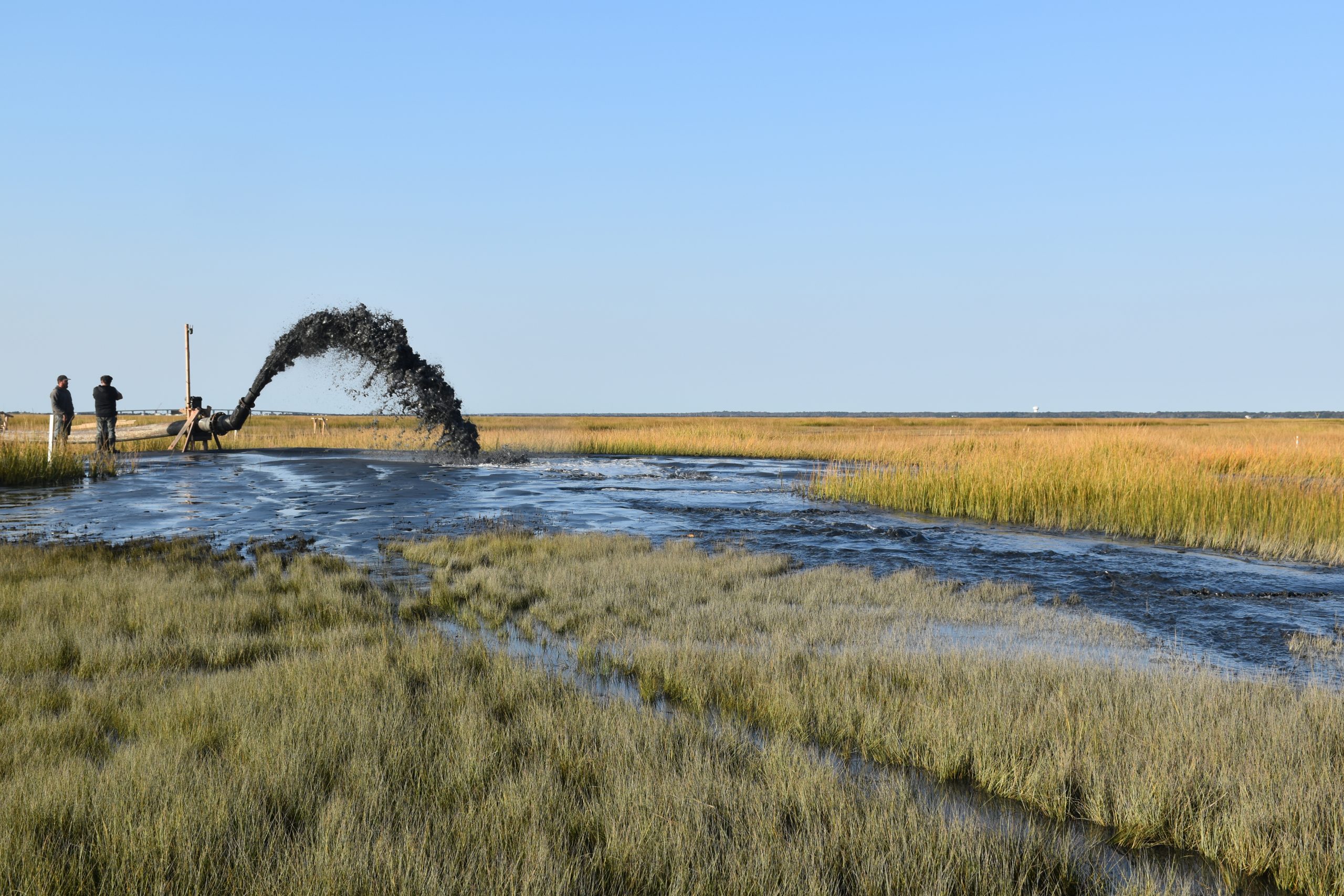
Some of the most exciting work is coming out of The Wetlands Institute’s Seven Mile Island Innovation Lab. This partnership between the U.S. Army Corps of Engineers (USACE), New Jersey Department of Environmental Protection (NJDEP), The Wetlands Institute, and the USACE Engineer Research and Development Center is pioneering innovative, nature-based approaches to enhance coastal sustainability with wide application for restoring marshes and reversing decades of damage.
To date, the Innovation Lab has restored more than 100 acres of marsh, providing proof-of-concept strategies for projects across the Mid-Atlantic, including Delaware. In the winter of 2024, the project partners restored more than five acres of low-lying tidal marsh on Scotch Bonnet Island, using beneficially placed dredged sediment to raise marsh elevation into a range capable of sustaining healthy tidal wetland function. In just the second growing season, marsh grasses are recolonizing the newly elevated marsh surface through natural seed recruitment. Migratory shorebirds, gulls, and other sensitive marsh-dependent species immediately began using the elevated marsh for foraging and refuge and the site is on a trajectory of continued development.
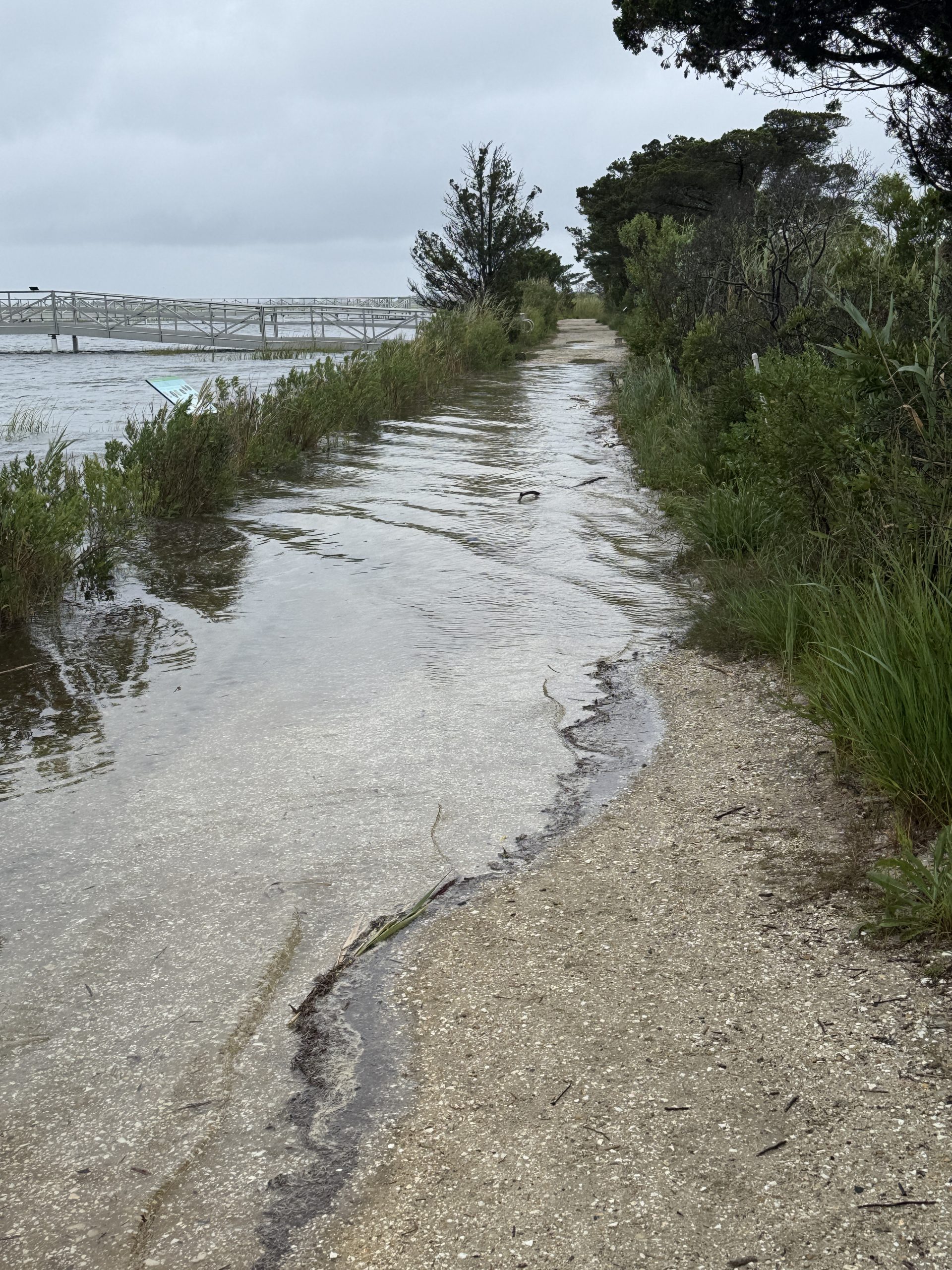
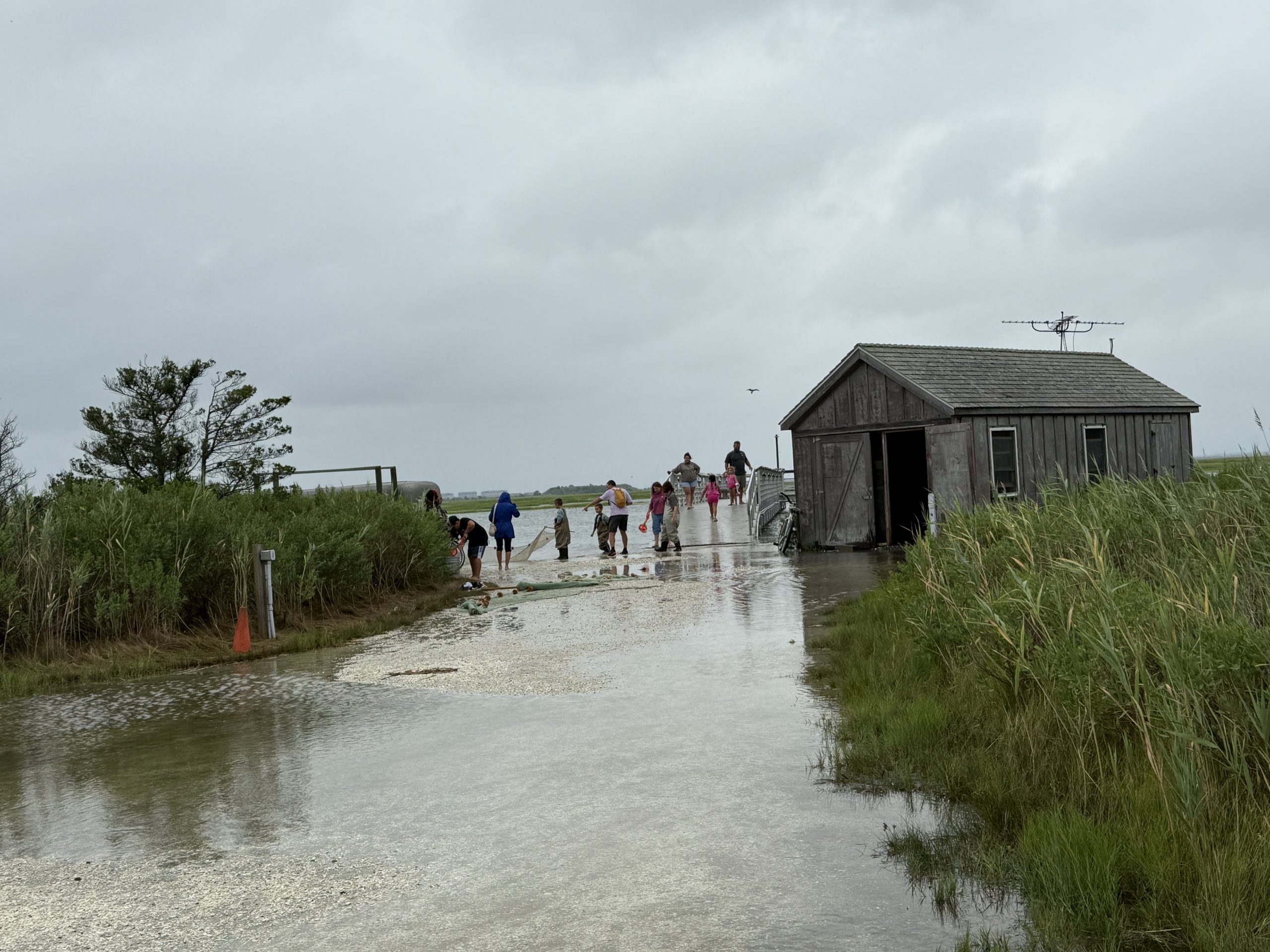
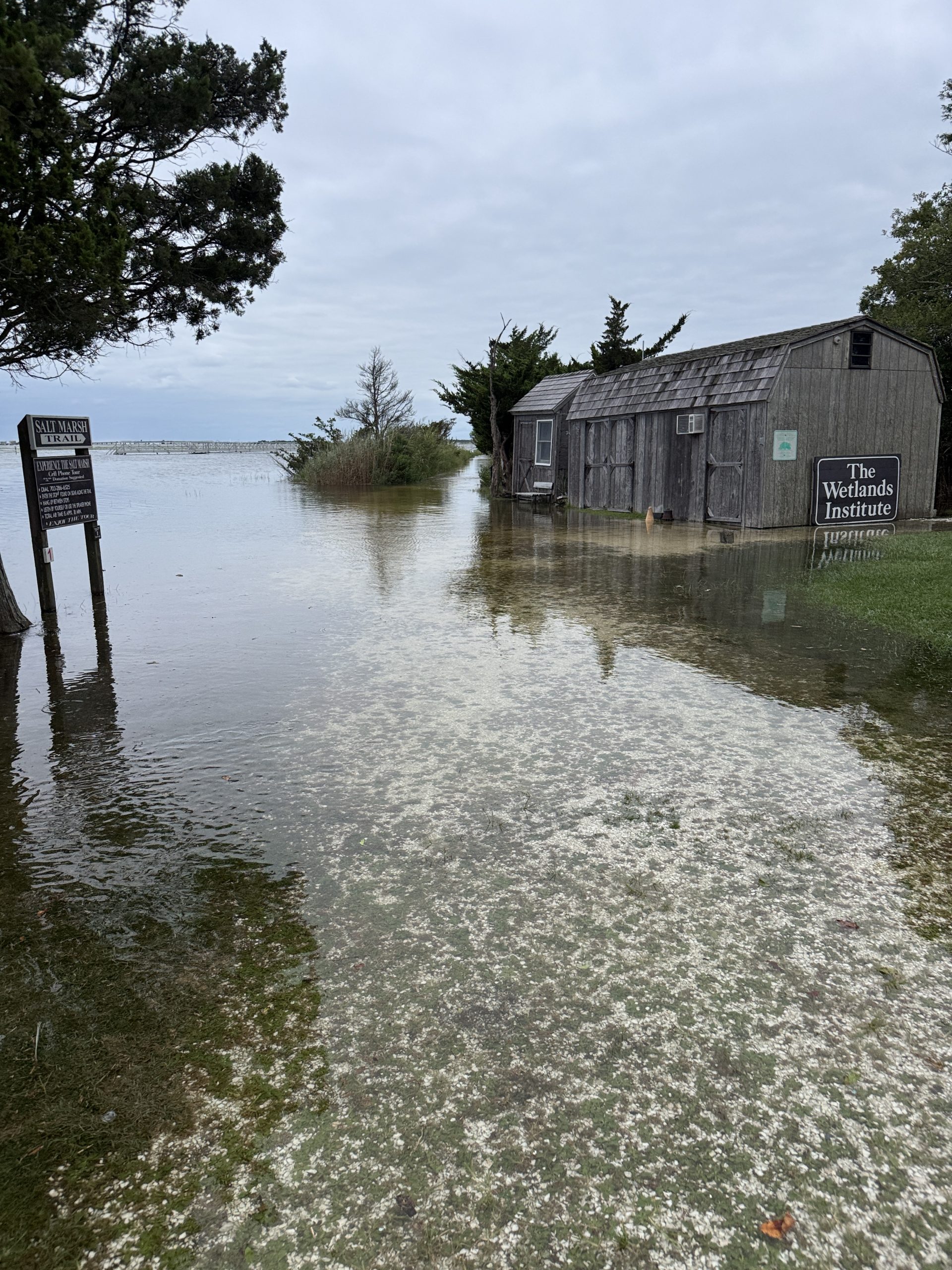
Looking ahead, The Wetlands Institute will continue long-term monitoring while advancing the next phase of restoration within the marsh complex. This includes a recently awarded $3.075 million grant through New Jersey’s Regional Greenhouse Gas Initiative (RGGI) Natural Climate Solutions program to support The Salt Marsh Trail Revitalization Project. This project will restore an additional 5 acres of tidal marsh and create and enhance habitat for at-risk wildlife. An important component of the project is to elevate the Institute’s popular Salt Marsh Trail. The Salt Marsh trail is a hub of activity where much of the education programs are conducted and provides access to the dock and elevated marsh walkway. Sunny day flooding is now impacting trail access and flooding nesting areas of coastal birds and diamondback terrapins.
Building on this work, The Wetlands Institute is also undertaking a broader reimagining of its campus to more fully integrate habitat restoration, research, and resilience. Additional restoration projects and campus-focused initiatives will be announced in the coming months as part of the Institute’s ongoing commitment to science-based, nature-driven solutions that benefit both ecosystems and coastal communities in our shared environment.
Delaware's Governor
State Agencies
Elected Officials
General Assembly
Delaware Courts
State Employees
Cities & Towns
Delaware State Code
State Regulations
Business First Steps
Phone Directory
Locations Directory
Public Meetings
Voting & Elections
Transparency
Delaware Marketplace
Tax Center
Personal Income Tax
Privacy Policy
Weather & Travel
Contact Us
Corporations
Franchise Tax
Gross Receipts Tax
Withholding Tax
Delaware Topics
Help Center
Mobile Apps
E-mail / Text Alerts
Social Media


Built by the Government Information Center
©MMXVIII Delaware.gov

