Facebook Twitter Instagram YouTube

Written on: March 20th, 2026 in Education and Outreach, Wetland Research
By Olivia Allread, DNREC’s Wetland Monitoring and Assessment Program
Deserts and water; the two don’t go together. Low precipitation, high evaporation rates, sandy soil, rain shadow effect – there are many factors that affect the lack of water in a desert environment. But across the American Southwest and into Northern Mexico lies a habitat that defies those odds, ciénega wetlands. Not many people know this type of wetland exists, so we dug deep and far to bring you a special look at these one-of-a-kind freshwater ecosystems.
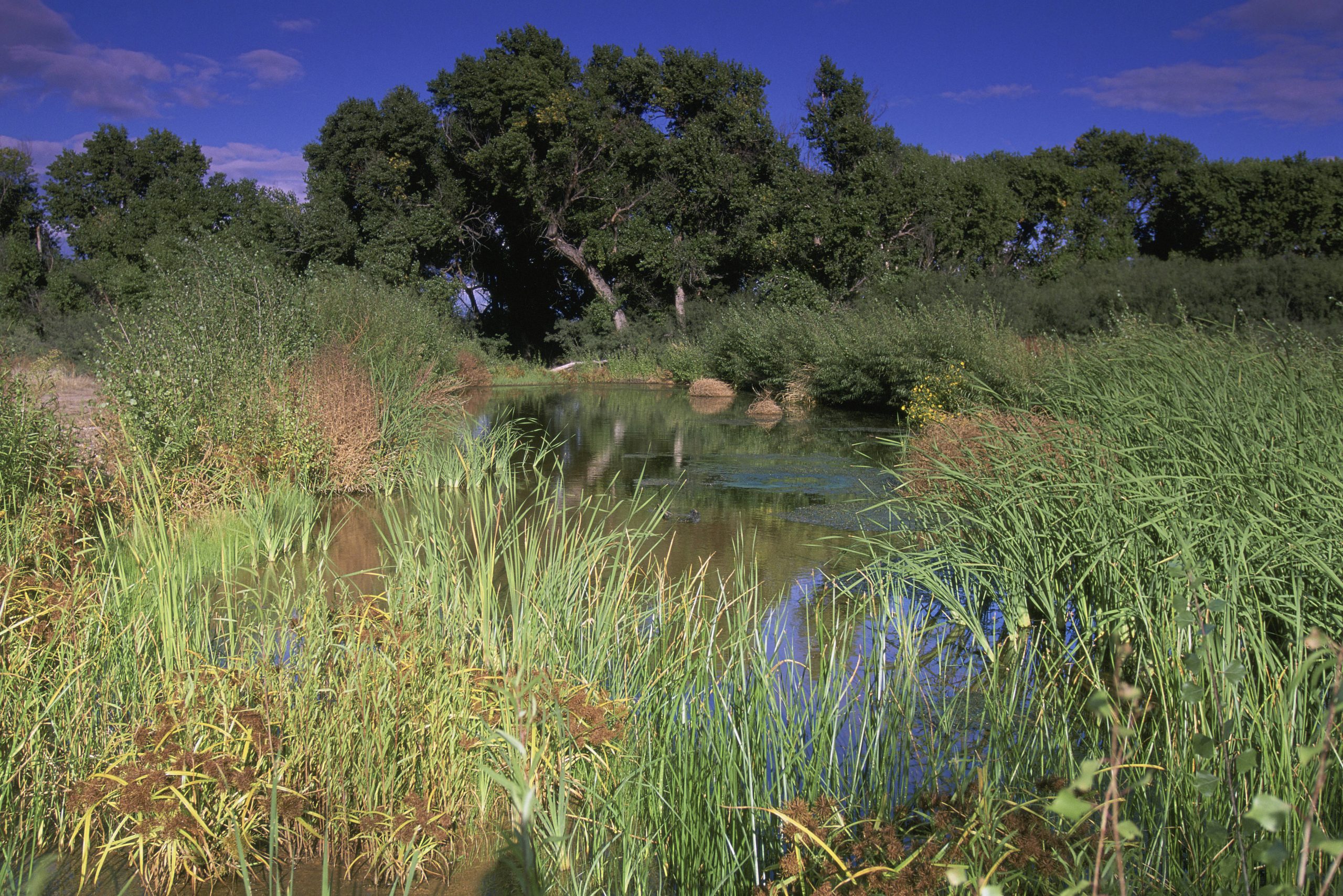
To understand why there is water where it’s so dry, we need to peek into the past, roughly 10,000 years ago. As rain and snow melted over centuries to form underground reservoirs, or aquifers, portions of that water eventually wanted to pop out on the earth’s surface. Seeps and springs soon formed to release this “ancient” water in various ecosystems across the world, creating certain types of wetlands. In this part of North America, mountains and rock strata played a big role in how the water was released. The surrounding mountain ranges with low-valley bottoms formed these spring-fed wetlands, ciénegas, characterized by spongy sediment with vegetation adapted to alkaline soils and permanent saturation.
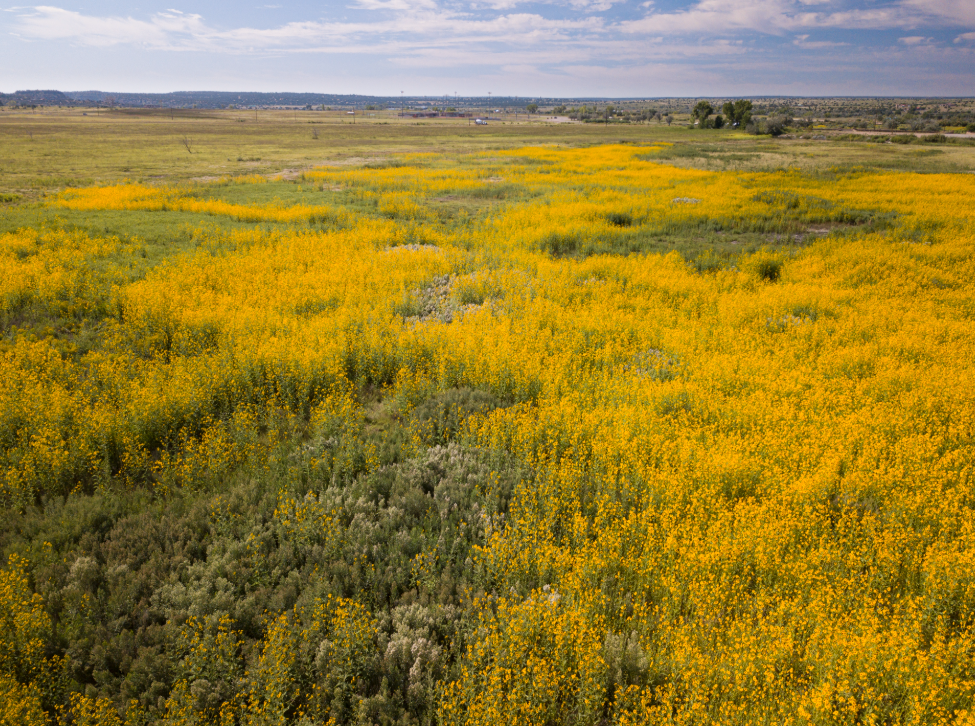
When we say rare, we mean extremely sparse and isolated. This uncommonness, especially geographically, provides unique habitat and contributes to their grave importance for species diversity. Types of plants and animals can vary from one ciénega to another – for instance many species found in the Southwest ciénegas occur nowhere else in the world. As a corridor for native and endemic species, these habitats can potentially preserve diversity that might otherwise die off with our changing climate. The Pecos sunflower, desert pupfish, Wright’s marsh thistle are just a few of the endangered ones worth a quick online search. Of course, mammals, reptiles, insects, amphibians, and invertebrates also call ciénegas home. Though they are more difficult to spot or identify, critters such as coyotes, cottontails, and foxes roam the dirt mounds of the surrounding wetland area as well. These mounds along riparian areas also serve as a migratory stopover for birds and monarch butterflies to rest or feed along their journey. Throughout the seasons, ciénegas have exceptional bird diversity such as the Wilson’s warbler and Mississippi kites. Wetlands in dry landscapes such as this even support species yet to be discovered and researchers are actively studying these unknown habitats.
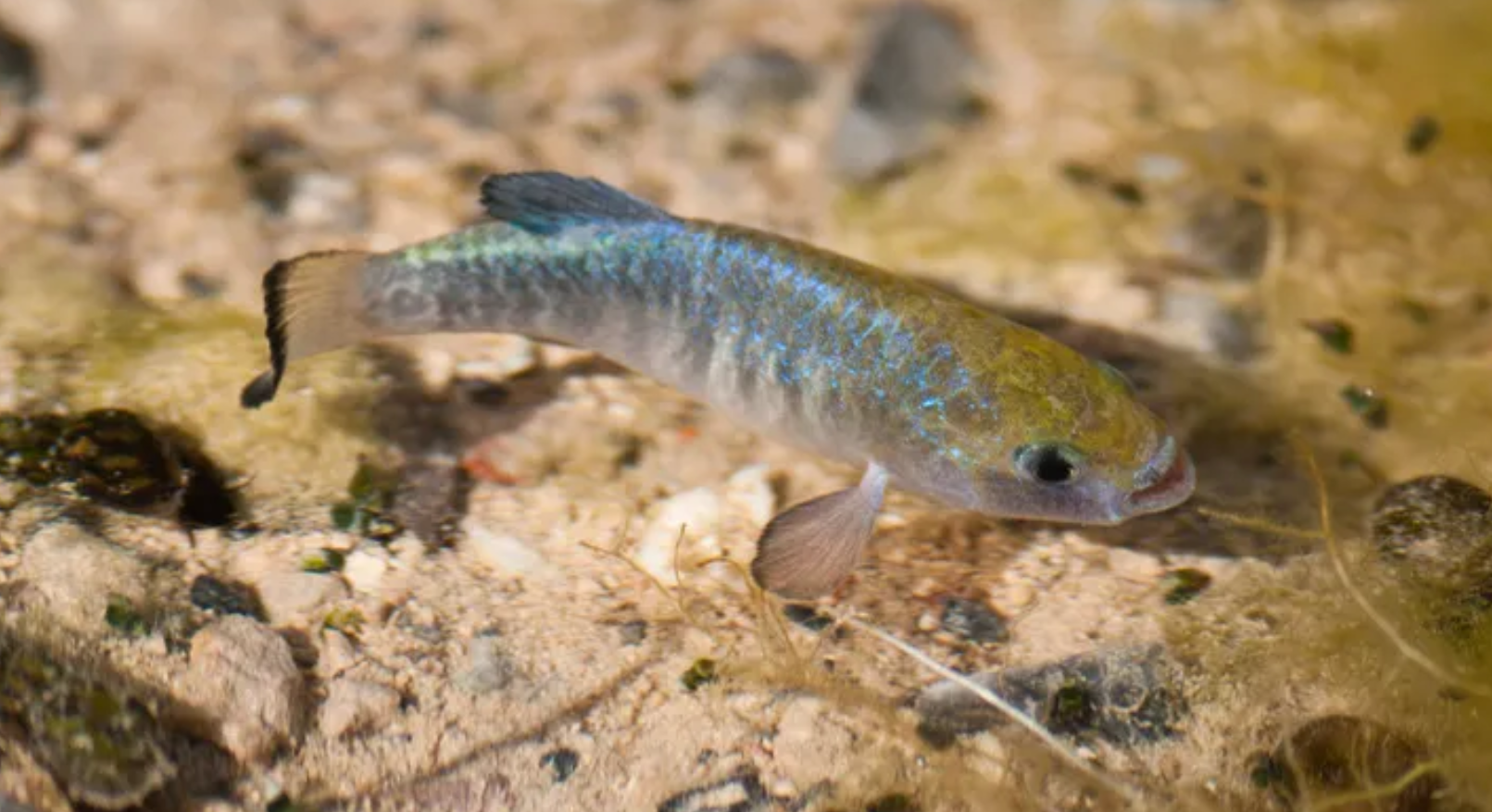
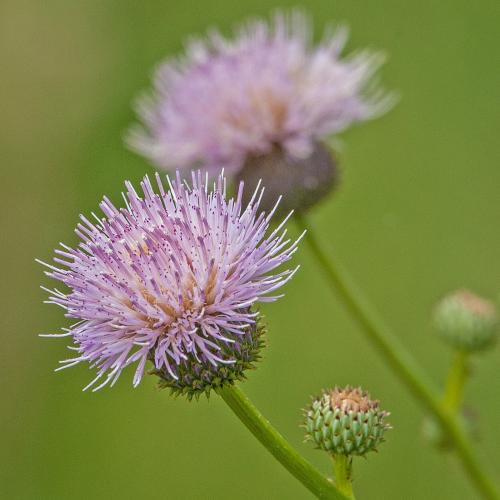
As we discuss in almost every blog post, the importance of wetlands is critical for our everyday lives and deserves a place in our planet’s future. When it comes to ciénegas, their impact on regional ecosystem services in arid landscapes are unmatched. Within the local hydrological system of a desert, these wetlands are especially important for storing water (hello hydration!) and filtering pollutants which tend to travel faster in drier environments. Having highly organic, very wet soil allows for wetland plant species to grow with few trees and large shrubs to get in their way. This dense vegetation can slow surface water flow, reducing the impacts of flooding from nearby mountains or extreme weather events. With slower water comes an increase in sedimentation, aka the buildup of rock, soil, or organic matter. Soil within a ciénega can be many feet deep, helping with less surface runoff and filtered replenishment to groundwater reserves. For example, a 2018 study used sediment cores from Canelo Hills Ciénega Preserve and three other ciénega sites to reconstruct climate patterns over the past 8,000 years. The study revealed cycles of El Niño weather events responsible for past aquifer recharge, providing critical data for understanding regional water sustainability. We’ve all watched enough TV to know that living in a desert requires adaptations to harsh conditions – being secluded and off the map are ciénegas’ specialty, but that is what makes them so beautifully useful.
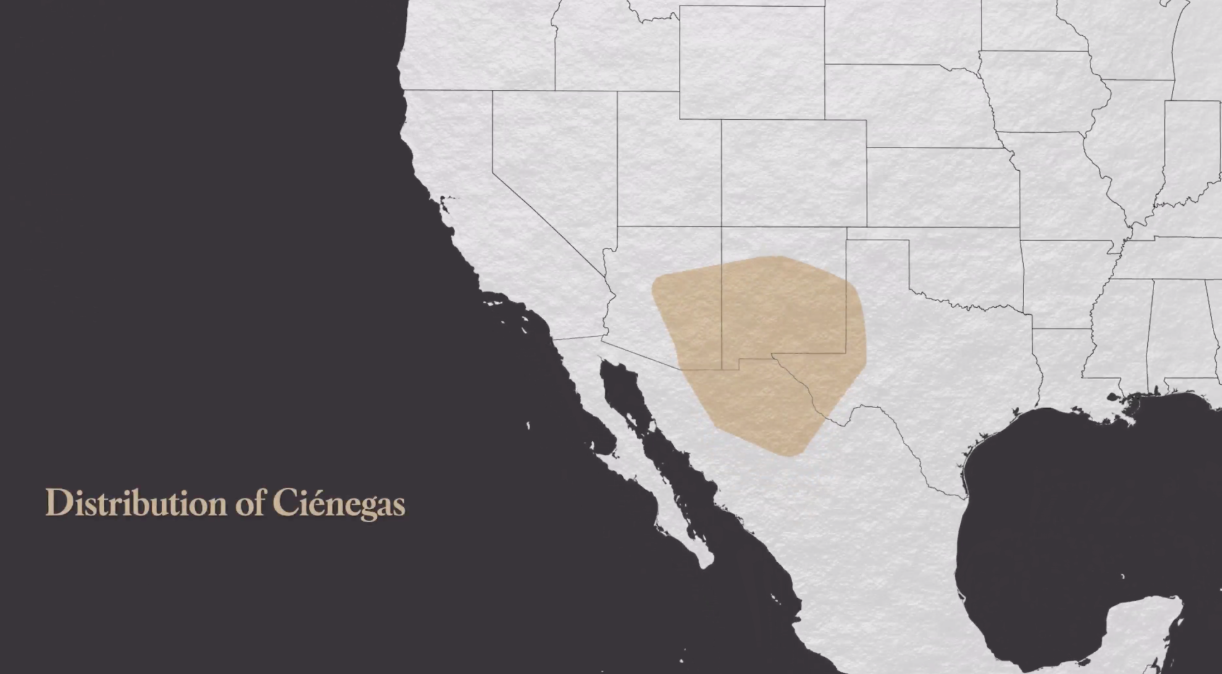
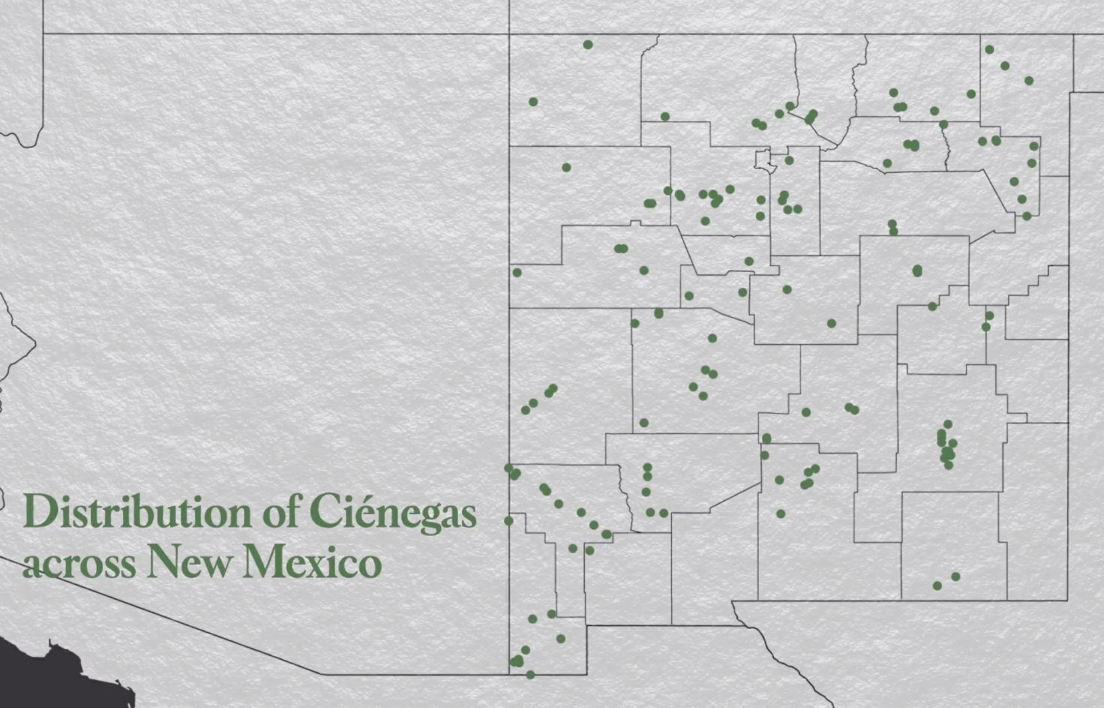
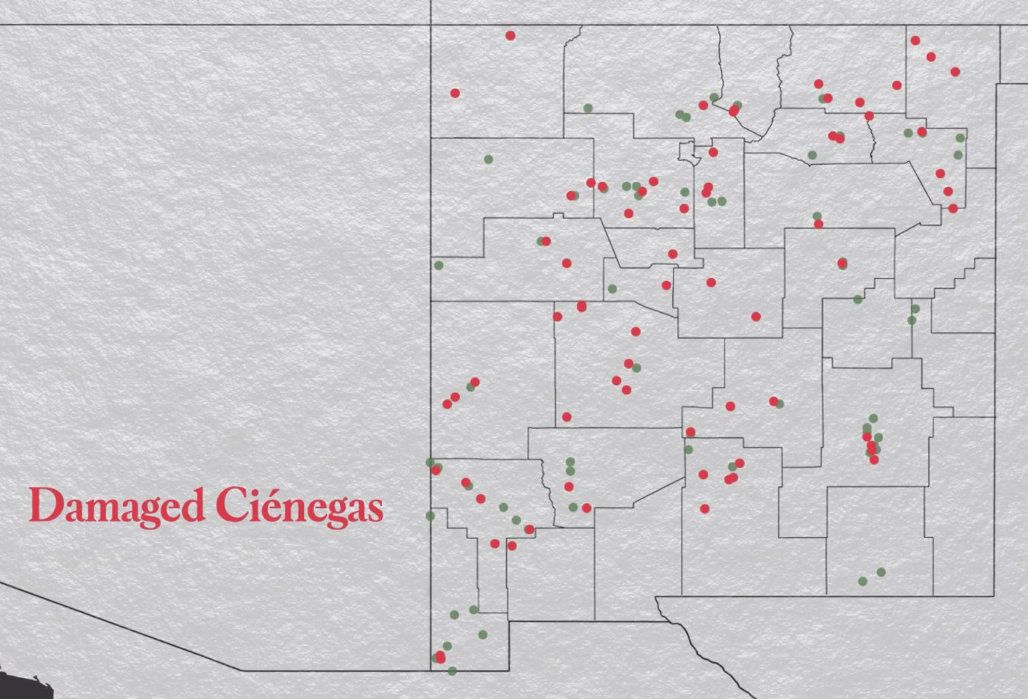
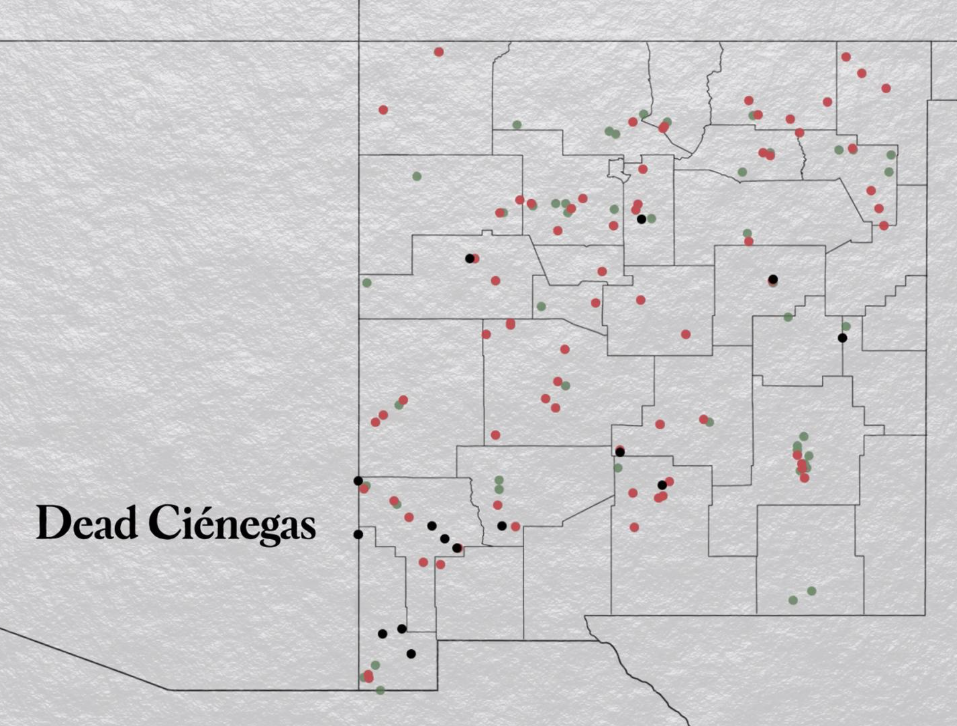
So, what does the future hold for these places? The story is the same for this type of wetland as all the others, conservation and preservation are crucial for their existence. The negative impacts from climate change to deserts exacerbated by human consumption and development have destroyed ciénegas over the last 50 years. The U.S. Forest Service says close to 95% of these wetlands have been lost or damaged due to farming, overgrazing, draining, channelization, and drying during development. Under the current administration, federal and state governments are chipping away at protections for our waters, endangered species, and public lands – wetlands specifically are facing great threats. Take a look at the distribution of ciénegas wetlands in New Mexico and their status; nearly ½ of all New Mexico’s wetlands have already been lost (Photo Credit: New Mexico Environment Department). But there is always light at the end of a tunnel. Restoration of these habitats is slowly increasing and even though they are unlike any other wetland, long-term data is being collected, and techniques are being developed to increase their acreage (big or small). Society is taking a closer look at the connection between water and Indigenous/Tribal cultures, as wetlands have provided immense natural and cultural value for these peoples. Tactics like invasive species removal, large gabions, and public education are at the forefront of saving the American Southwest’s most endangered ecosystem.
Recently in our line of environmental work, the word “longevity” has come up as an underlying theme. The maximum potential of a restoration site. The lifespan of flora and fauna. The existence of freshwater wetland protection. The resilience of a coastline to climate change. The increase in wetland health and human value. Ciénegas are desert oases we should want around for as long as possible. It’s not just about their existence, but ensuring these wetlands thrive as a productive, healthy ecosystem in which we reap the benefits from. Remember when we said desert and water don’t go together? Gotcha on that one.
Delaware's Governor
State Agencies
Elected Officials
General Assembly
Delaware Courts
State Employees
Cities & Towns
Delaware State Code
State Regulations
Business First Steps
Phone Directory
Locations Directory
Public Meetings
Voting & Elections
Transparency
Delaware Marketplace
Tax Center
Personal Income Tax
Privacy Policy
Weather & Travel
Contact Us
Corporations
Franchise Tax
Gross Receipts Tax
Withholding Tax
Delaware Topics
Help Center
Mobile Apps
E-mail / Text Alerts
Social Media


Built by the Government Information Center
©MMXVIII Delaware.gov

