Facebook Twitter Instagram YouTube

Written on: September 29th, 2026 in Education and Outreach, Natural Resources
By Olivia Allread, DNREC Wetland Monitoring and Assessment Program
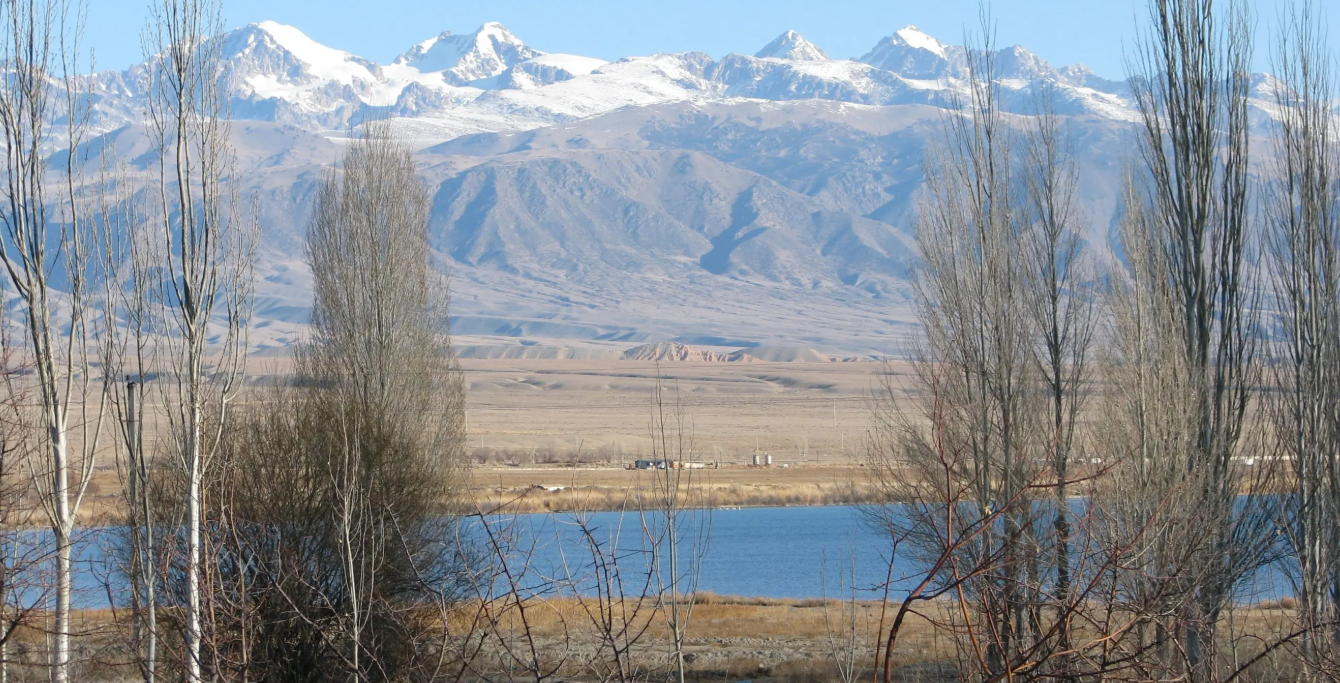
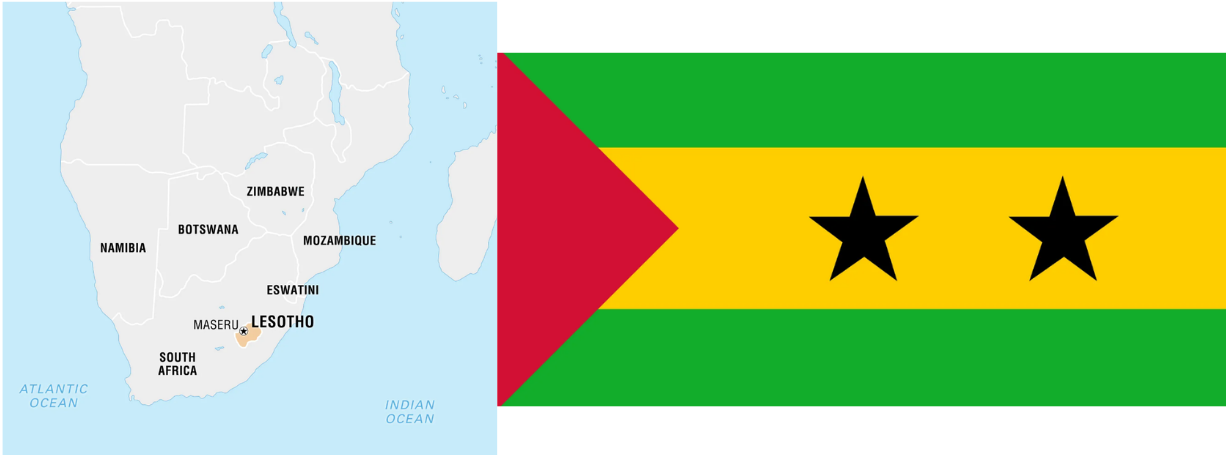
When is the last time you looked at a world map? Do you know where the country of Lesotho is located? Or what the Sao Tome and Principe flag looks like? Yeah, of course not, neither did we. This blog post started as a brain exercise to find mapped wetlands in different countries and turned into a quest to share the world’s largest network of protected areas. Yes, you heard that right – the world’s largest network of protected areas – and they’re all wetlands. From Albania to El Salvador, Fiji to Kyrgyzstan, wetlands of many shapes and sizes exist within an intergovernmental treaty that has been in place for over 50 years. Now we can’t visit every site across the globe in one blog, so let’s explore the “who”, “what”, and some of the “where” of Wetlands of International Importance.
How it Came to Be and Getting Designations
Let’s go back to in time to when this whole idea started. From the 1960s until the early 1970s, there was major global concern about the increasing loss and degradation of wetland habitat, particularly in reference to migratory waterbirds. The concept of protecting these areas on a global scale came to fruition as a treaty at the first Ramsar Convention, also known as the Convention on Wetlands, that was held in 1971. Taking place in the Iranian City of Ramsar (hence the name), countries and non-governmental organizations signed and adopted the treaty that then went into effect in 1975. Since it took force, the Mission of the Convention has been “the conservation and wise use of all wetlands through local and national actions and international cooperation, as a contribution towards achieving sustainable development throughout the world.”
This treaty is not a “set it and forget it” policy. Though it is based around voluntary commitments, the signing parties must abide by an official, globally recognized framework for identifying the wetlands they find most important as well as the proper management of said habitats. All parties or countries that join stick to core pillars of conservation and wise use of their sites that include sustainable practices, mapping boundaries, determining ecological value, national planning, education, international cooperation, and longevity of all wetlands in their territory – even outside of the designations. To receive a Ramsar wetland designation, you must fulfill at least 1 of 9 specific criteria, with the first being centered around rare or unique wetland types, while the other 8 focus on biological diversity and ecological communities within the wetland site. Though they read easily on paper, these criteria are based on highly developed scientific methods and specific evaluations of biological communities in wetland habitats. Or simply put, it’s based off serious science!
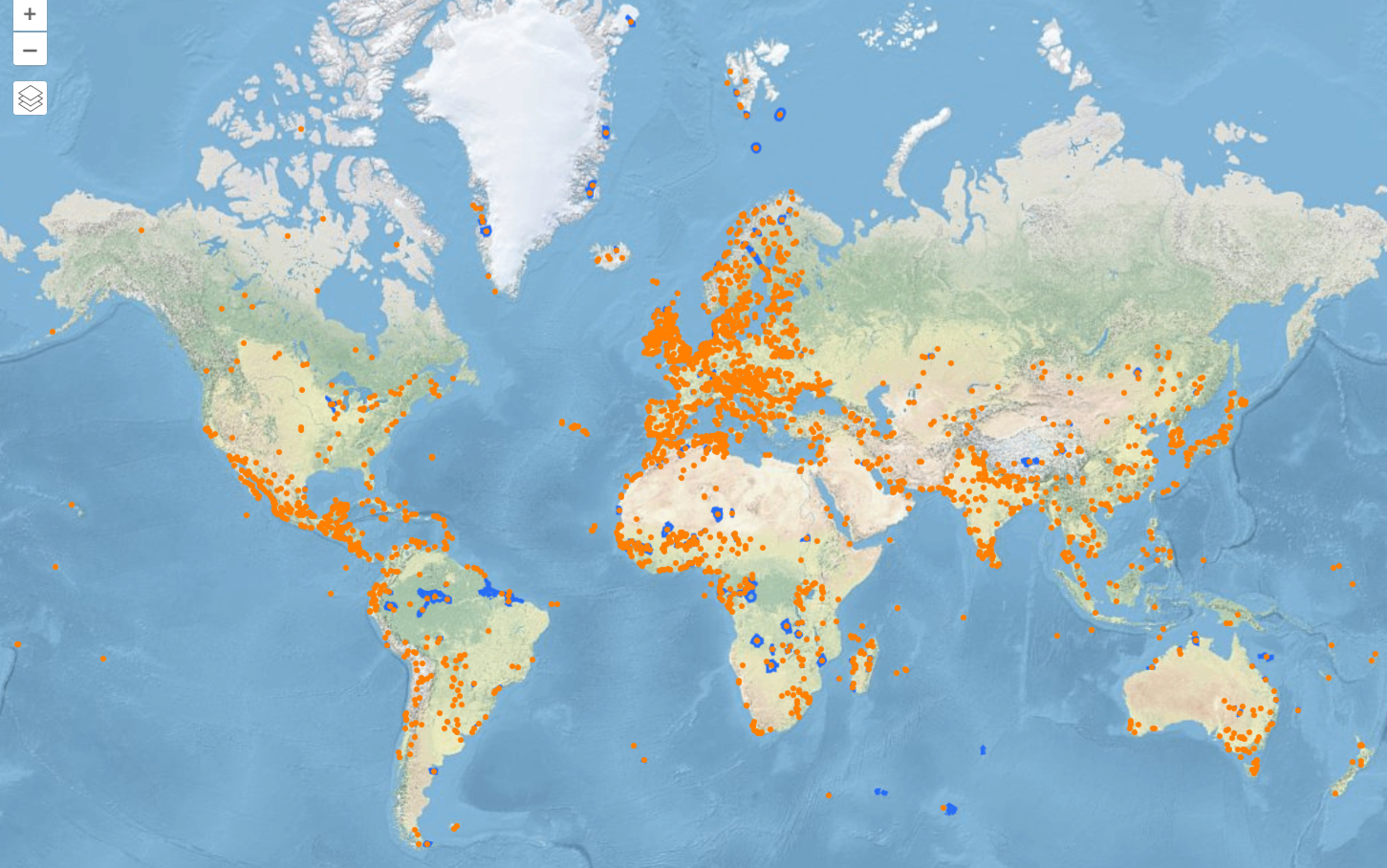
Flash forward another 55 years and boom, designated wetlands galore! There are approximately 2,533 Ramsar Sites in 172 Convention contracting parties across the world, covering almost 625.5 million acres of land. This network of areas includes wetlands in over 40 specific types of habitat classifications, within 3 broad categories of marine/coastal wetlands, inland wetlands, and human-made wetlands.
Zoom In to the United States
To date, there are 41 Ramsar Sites totaling over 4.6 million acres in the United States, with over half of these sites completely in or partially within our U.S. Fish and Wildlife Refuges. These spaces are sanctuaries recognized for their uniqueness, rarity, and importance for conserving biological diversity. Like many countries, the United States has an International Affairs program, housed within the U.S. Fish and Wildlife Service, who oversees designating Ramsar Sites in our borders. Their main goal is to identify and nominate wetlands for designation, while including input from partners, then research and monitor them to ensure their longevity for the future. Someone needs to make sure we’re following the rules.
As of recently, the environment in our country is under siege. We’re up against major shifts in policy and regulation, experiencing impacts from the climate crisis, and seeing our natural resources on the chopping block. During these tough times, it’s easy to forget the incredible work that has been done, and is still being done, for the protection and conservation of our habitats. Luckily, at least for now, we’re still a contracting party to the Ramsar Convention…
A Quick and Dirty Tour
Since we can’t highlight the thousands of Ramsar Sites across the world, let’s look at some of the standout areas we discovered during our research.
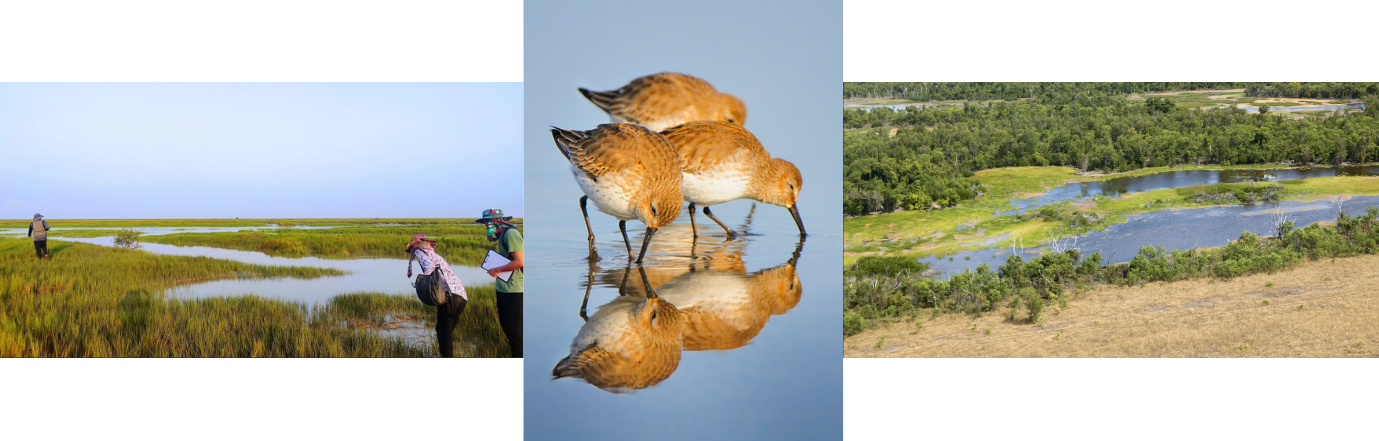

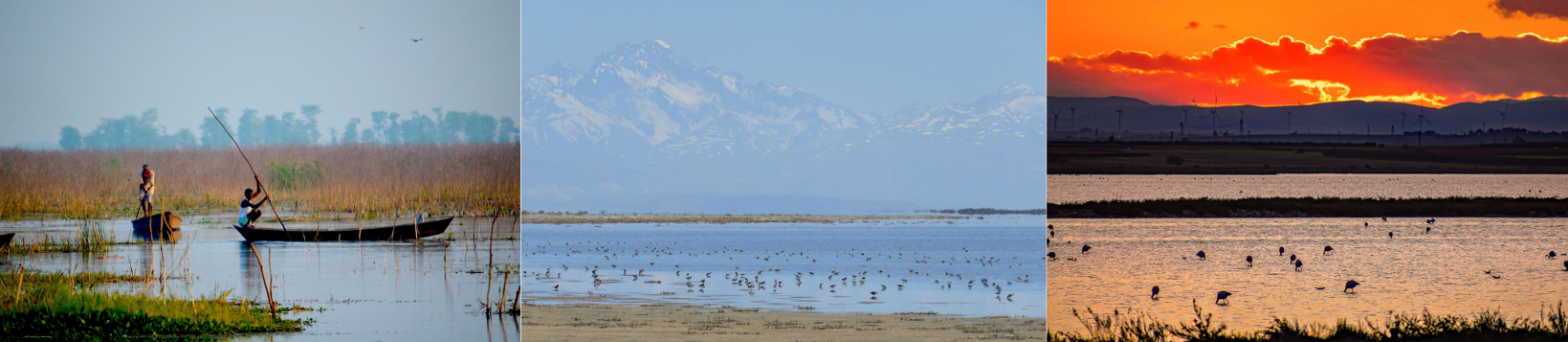
Now if you really want to dig into the Ramsar Sites, you can tour all of them on the Convention’s Site Information Service mapping tool. But make sure your brain is ready! It’s a hefty tool that provides everything from designation dates to management plans, wetland types to threats each one is facing. Being a part of the Convention on Wetlands is a lifetime commitment to the resource – it holds contracting parties to a standard of understanding and protection. When browsing these photos, reminders as to why wetlands are truly one of a kind popped up everywhere. The glimmers of wetland appreciation across the world shine bright through the Ramsar Sites and give wetlands of all types a platform to be seen.
Oh, and in case you were still wondering – the location of Lesotho and Sao Tome and Principe flag are below. You learn something new every day.
Delaware's Governor
State Agencies
Elected Officials
General Assembly
Delaware Courts
State Employees
Cities & Towns
Delaware State Code
State Regulations
Business First Steps
Phone Directory
Locations Directory
Public Meetings
Voting & Elections
Transparency
Delaware Marketplace
Tax Center
Personal Income Tax
Privacy Policy
Weather & Travel
Contact Us
Corporations
Franchise Tax
Gross Receipts Tax
Withholding Tax
Delaware Topics
Help Center
Mobile Apps
E-mail / Text Alerts
Social Media


Built by the Government Information Center
©MMXVIII Delaware.gov

