Facebook Twitter Instagram YouTube

Written on: March 23rd, 2026 in Natural Resources
By Alison Rogerson, DNREC’s Wetland Monitoring and Assessment Program
After a long, snowy winter, it seems that spring is finally here. The longer days and springtime thaw gets many of us itching to get outside to work in the backyard. After months of looking out the window at last year’s brown remnants, we can’t wait to clean up, plant, trim and nurture.
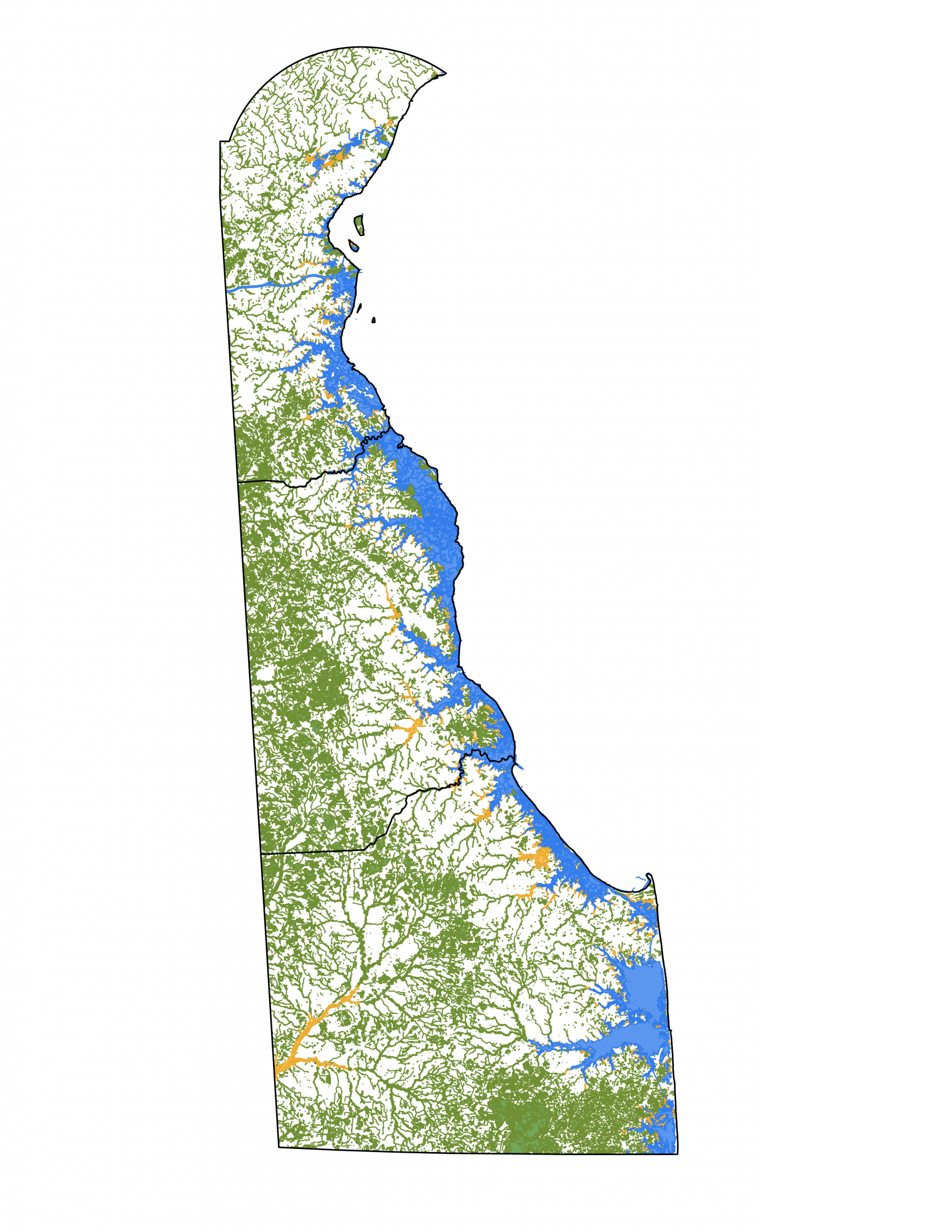
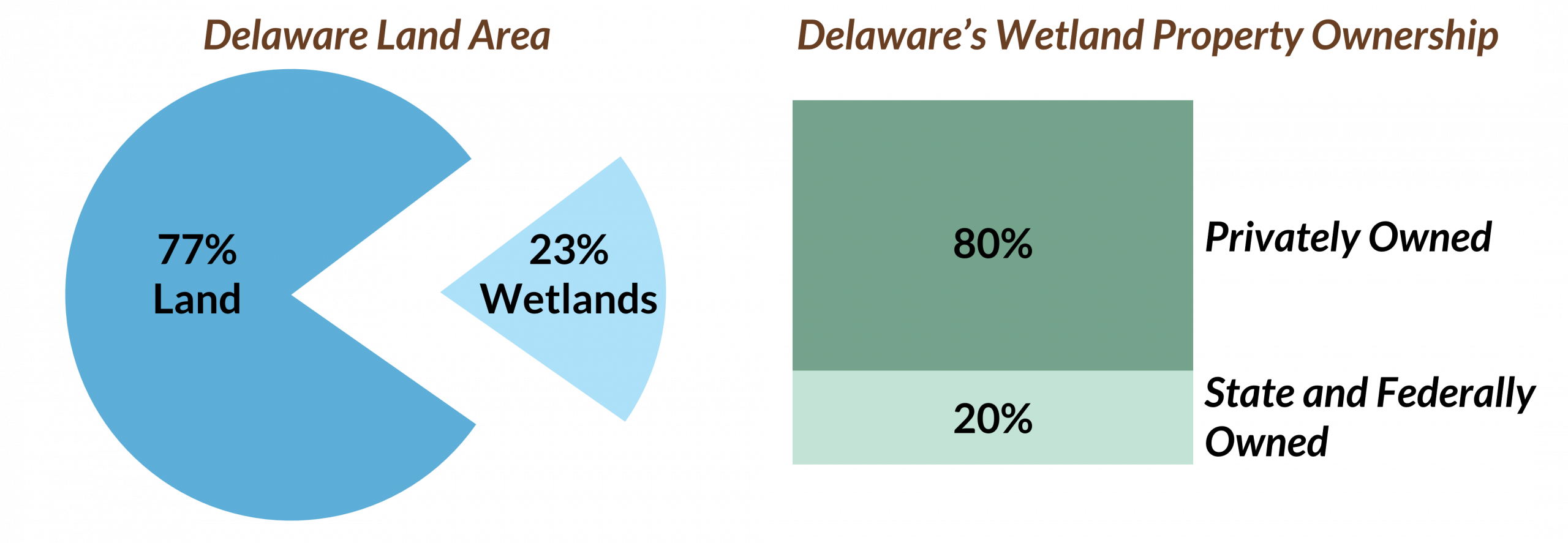
In Delaware, the majority of wetlands are privately owned. This means most of Delaware’s wetlands are in someone’s backyard. Maybe that’s 1 acre, maybe that’s 50 acres. Caretaking your backyard wetlands can be a tricky thing. What’s good for a wetland? Should you leave it alone or help out? The truth is, there are many easy ways you can become a backyard wetland champion. With a pair of good knee boots and a few tips, you’ll be a wetland supporter and caretaker before you can say humidity and greenhead flies.
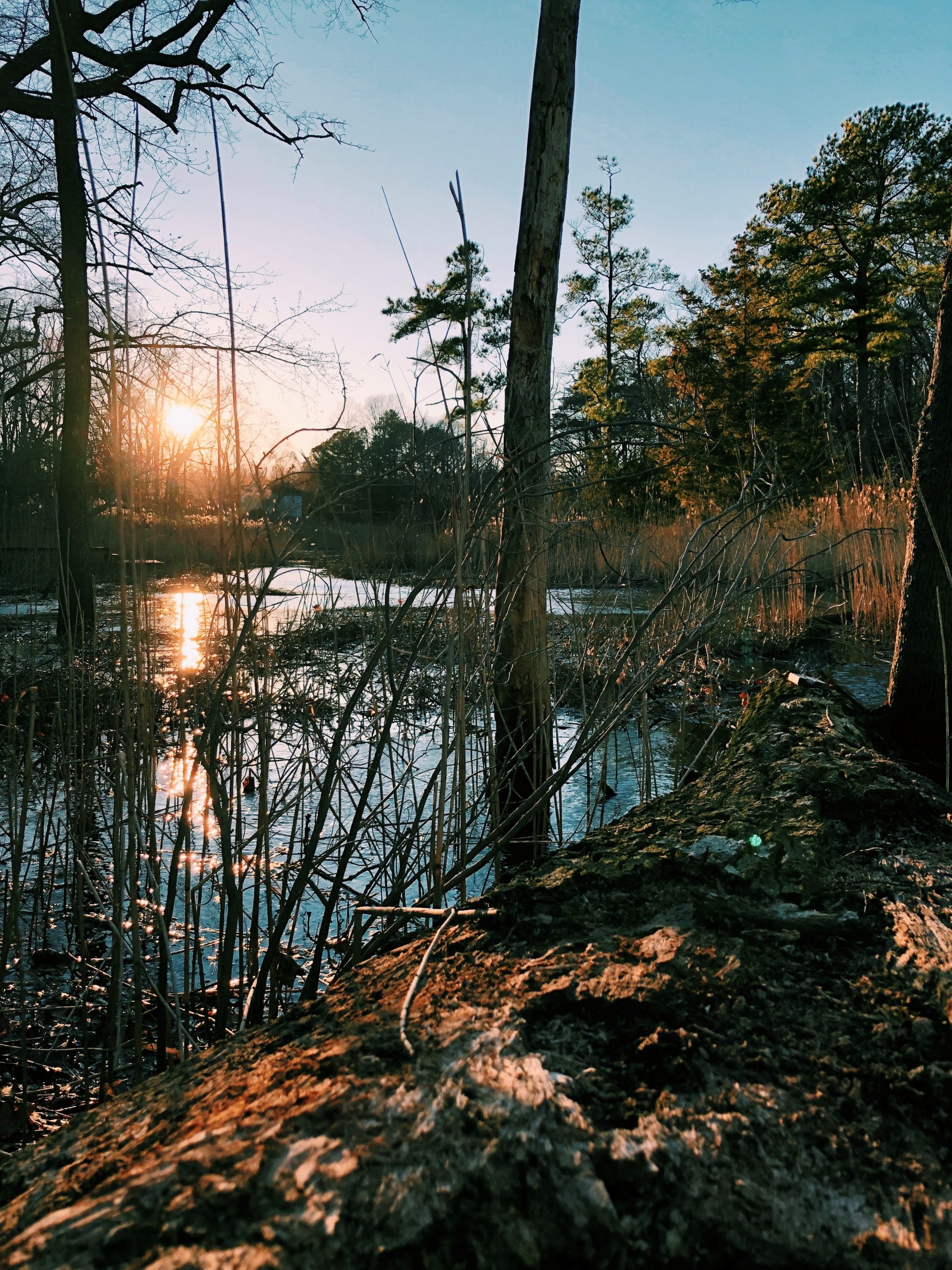
Hopefully, these ideas have motivated and inspired you to be a backyard wetland steward no matter how big or small your wetland is. Still want to do more in your yard? Don’t have a naturally occurring wetland but you want to help? Consider installing a rain garden fed by your gutter downspouts. Also, check out these tips from the Delaware Nature Society: Gardening for Water and Wildlife.

Written on: March 20th, 2026 in Education and Outreach, Wetland Research
By Olivia Allread, DNREC’s Wetland Monitoring and Assessment Program
Deserts and water; the two don’t go together. Low precipitation, high evaporation rates, sandy soil, rain shadow effect – there are many factors that affect the lack of water in a desert environment. But across the American Southwest and into Northern Mexico lies a habitat that defies those odds, ciénega wetlands. Not many people know this type of wetland exists, so we dug deep and far to bring you a special look at these one-of-a-kind freshwater ecosystems.
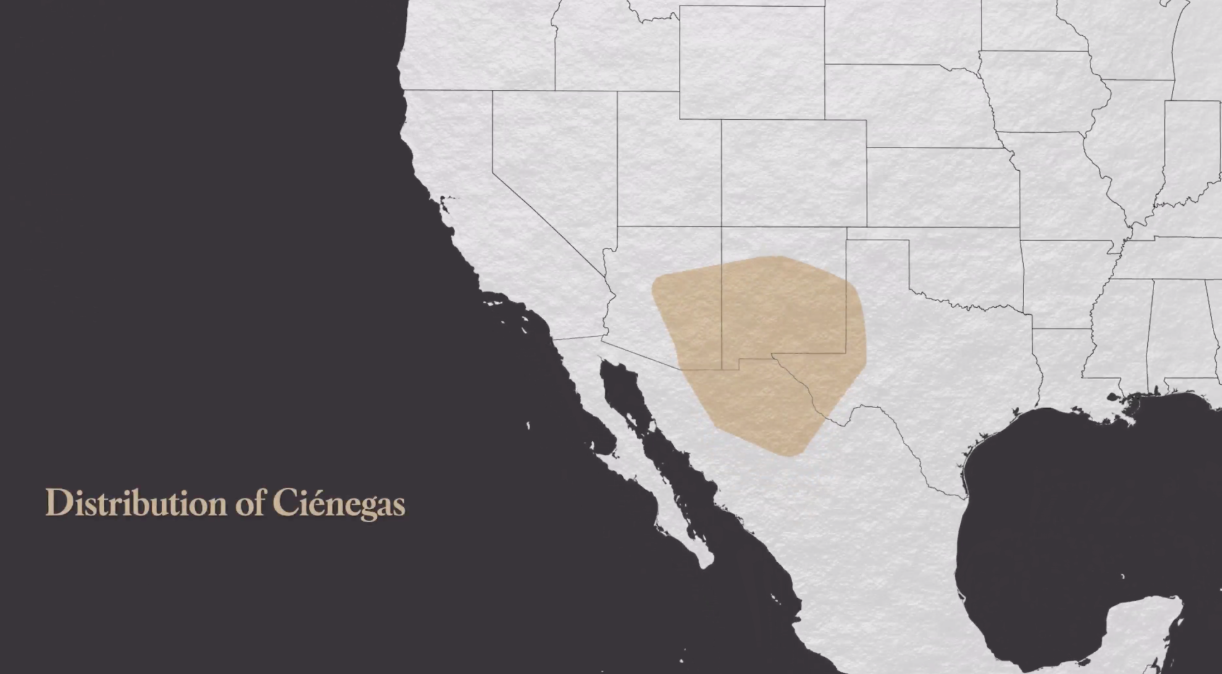
To understand why there is water where it’s so dry, we need to peek into the past, roughly 10,000 years ago. As rain and snow melted over centuries to form underground reservoirs, or aquifers, portions of that water eventually wanted to pop out on the earth’s surface. Seeps and springs soon formed to release this “ancient” water in various ecosystems across the world, creating certain types of wetlands. In this part of North America, mountains and rock strata played a big role in how the water was released. The surrounding mountain ranges with low-valley bottoms formed these spring-fed wetlands, ciénegas, characterized by spongy sediment with vegetation adapted to alkaline soils and permanent saturation.
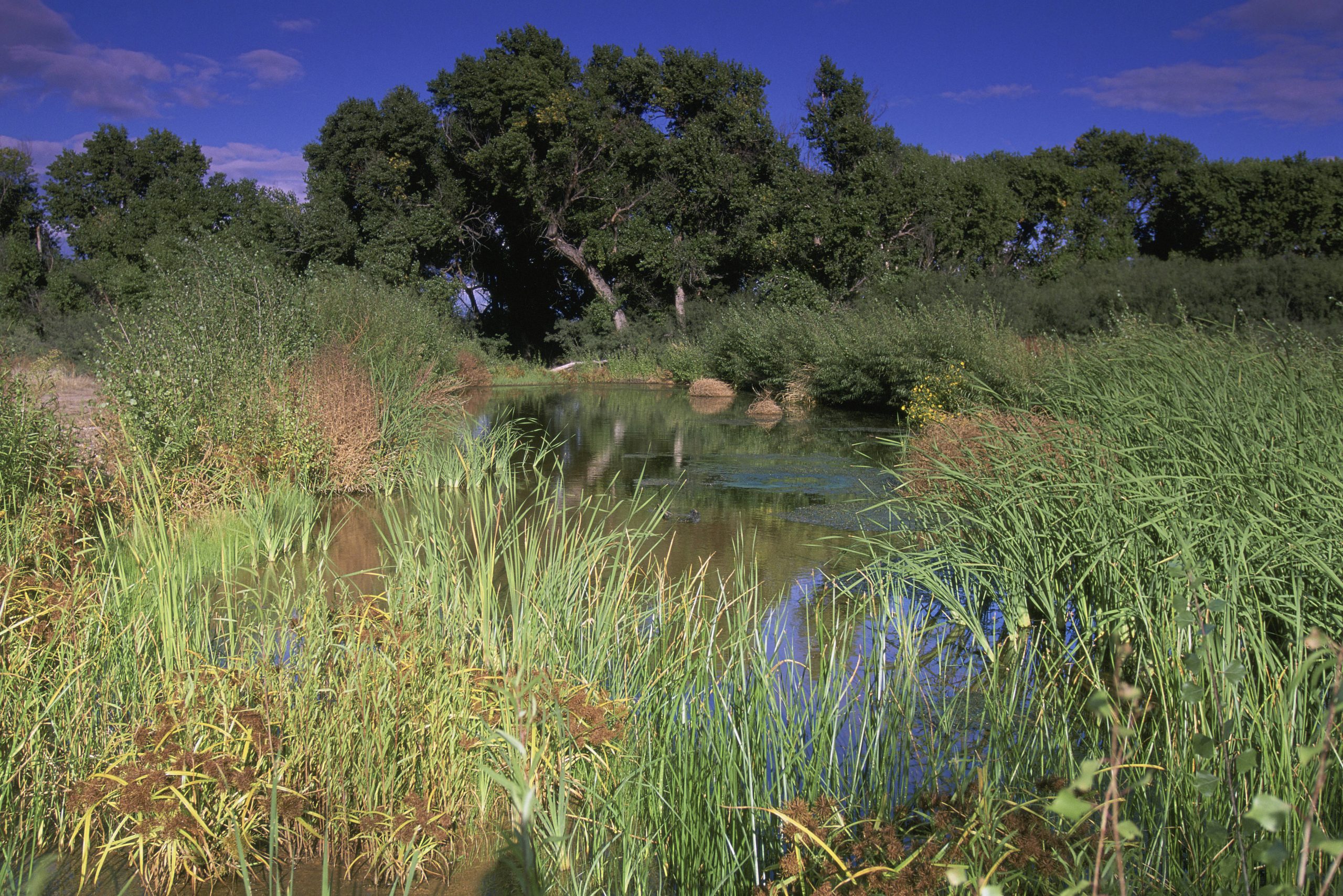
When we say rare, we mean extremely sparse and isolated. This uncommonness, especially geographically, provides unique habitat and contributes to their grave importance for species diversity. Types of plants and animals can vary from one ciénega to another – for instance many species found in the Southwest ciénegas occur nowhere else in the world. As a corridor for native and endemic species, these habitats can potentially preserve diversity that might otherwise die off with our changing climate. The Pecos sunflower, desert pupfish, Wright’s marsh thistle are just a few of the endangered ones worth a quick online search. Of course, mammals, reptiles, insects, amphibians, and invertebrates also call ciénegas home. Though they are more difficult to spot or identify, critters such as coyotes, cottontails, and foxes roam the dirt mounds of the surrounding wetland area as well. These mounds along riparian areas also serve as a migratory stopover for birds and monarch butterflies to rest or feed along their journey. Throughout the seasons, ciénegas have exceptional bird diversity such as the Wilson’s warbler and Mississippi kites. Wetlands in dry landscapes such as this even support species yet to be discovered and researchers are actively studying these unknown habitats.
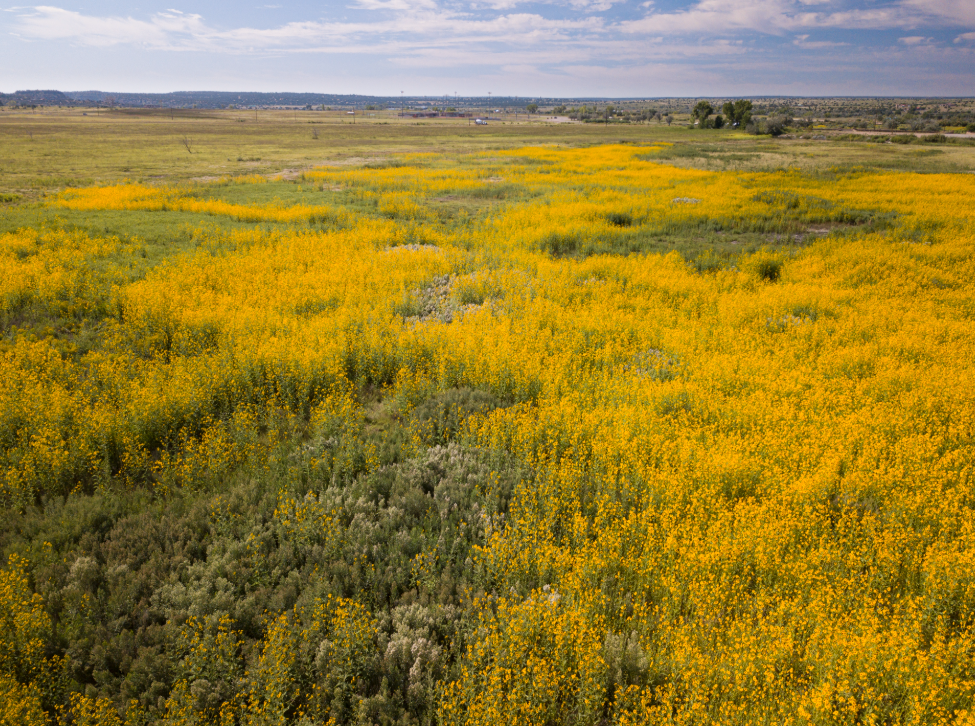
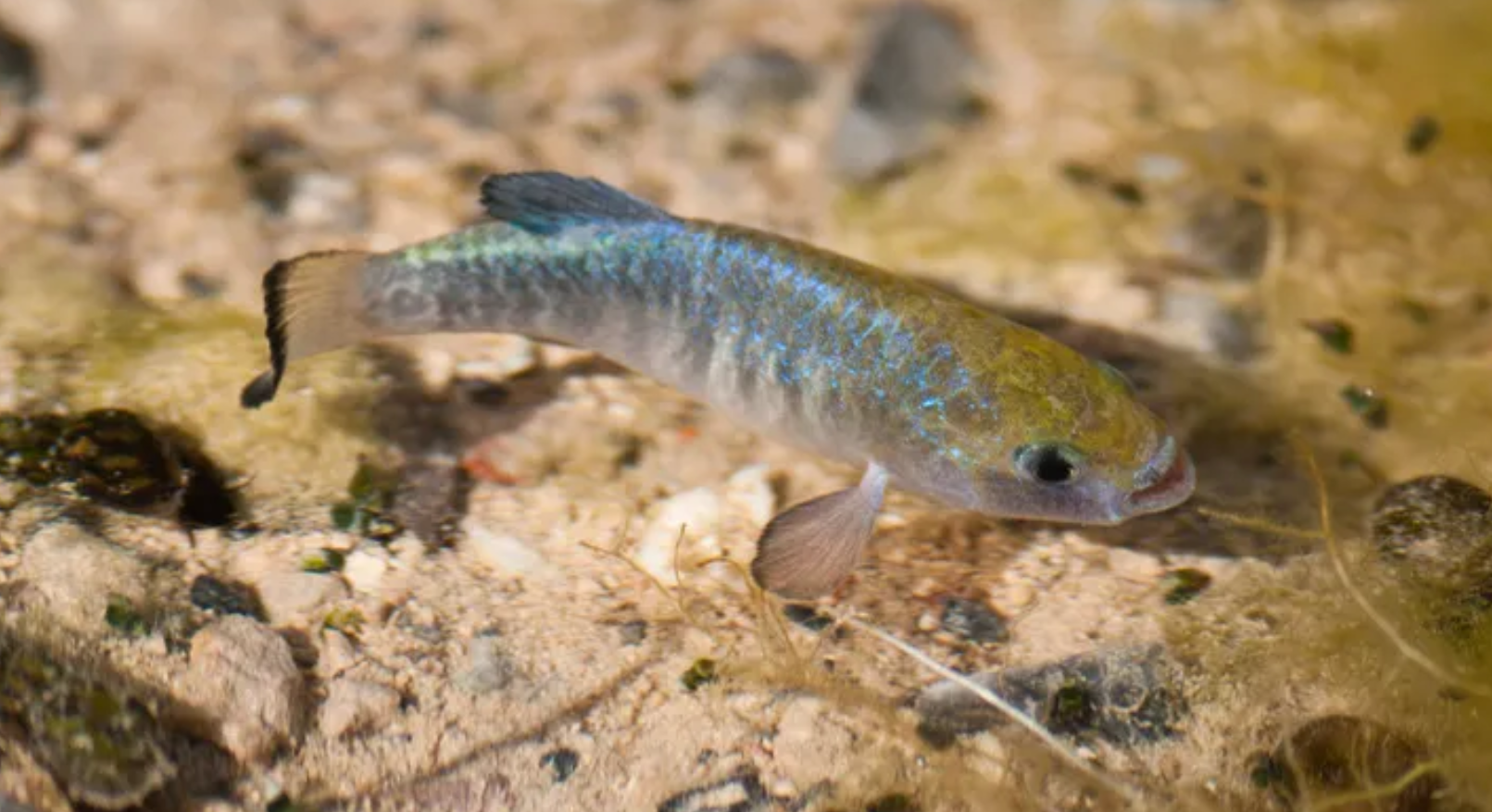
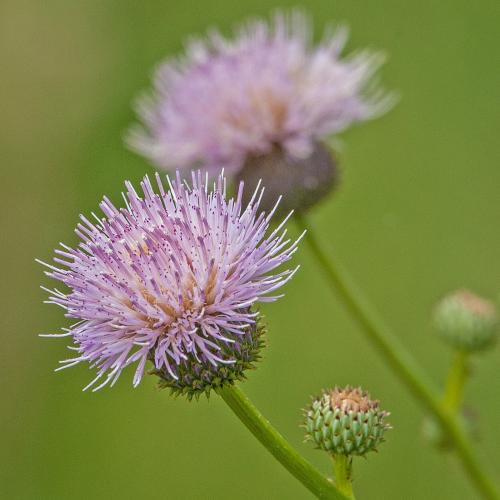
As we discuss in almost every blog post, the importance of wetlands is critical for our everyday lives and deserves a place in our planet’s future. When it comes to ciénegas, their impact on regional ecosystem services in arid landscapes are unmatched. Within the local hydrological system of a desert, these wetlands are especially important for storing water (hello hydration!) and filtering pollutants which tend to travel faster in drier environments. Having highly organic, very wet soil allows for wetland plant species to grow with few trees and large shrubs to get in their way. This dense vegetation can slow surface water flow, reducing the impacts of flooding from nearby mountains or extreme weather events. With slower water comes an increase in sedimentation, aka the buildup of rock, soil, or organic matter. Soil within a ciénega can be many feet deep, helping with less surface runoff and filtered replenishment to groundwater reserves. For example, a 2018 study used sediment cores from Canelo Hills Ciénega Preserve and three other ciénega sites to reconstruct climate patterns over the past 8,000 years. The study revealed cycles of El Niño weather events responsible for past aquifer recharge, providing critical data for understanding regional water sustainability. We’ve all watched enough TV to know that living in a desert requires adaptations to harsh conditions – being secluded and off the map are ciénegas’ specialty, but that is what makes them so beautifully useful.
So, what does the future hold for these places? The story is the same for this type of wetland as all the others, conservation and preservation are crucial for their existence. The negative impacts from climate change to deserts exacerbated by human consumption and development have destroyed ciénegas over the last 50 years. The U.S. Forest Service says close to 95% of these wetlands have been lost or damaged due to farming, overgrazing, draining, channelization, and drying during development. Under the current administration, federal and state governments are chipping away at protections for our waters, endangered species, and public lands – wetlands specifically are facing great threats. Take a look at the distribution of ciénegas wetlands in New Mexico and their status; nearly ½ of all New Mexico’s wetlands have already been lost (Photo Credit: New Mexico Environment Department). But there is always light at the end of a tunnel. Restoration of these habitats is slowly increasing and even though they are unlike any other wetland, long-term data is being collected, and techniques are being developed to increase their acreage (big or small). Society is taking a closer look at the connection between water and Indigenous/Tribal cultures, as wetlands have provided immense natural and cultural value for these peoples. Tactics like invasive species removal, large gabions, and public education are at the forefront of saving the American Southwest’s most endangered ecosystem.
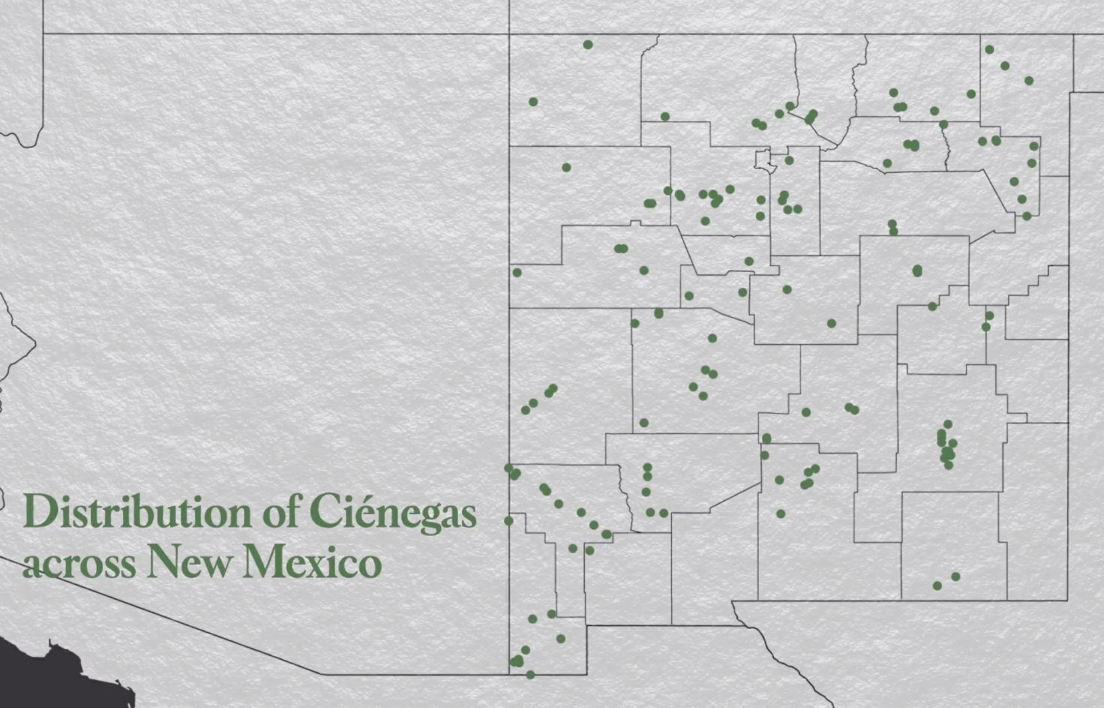
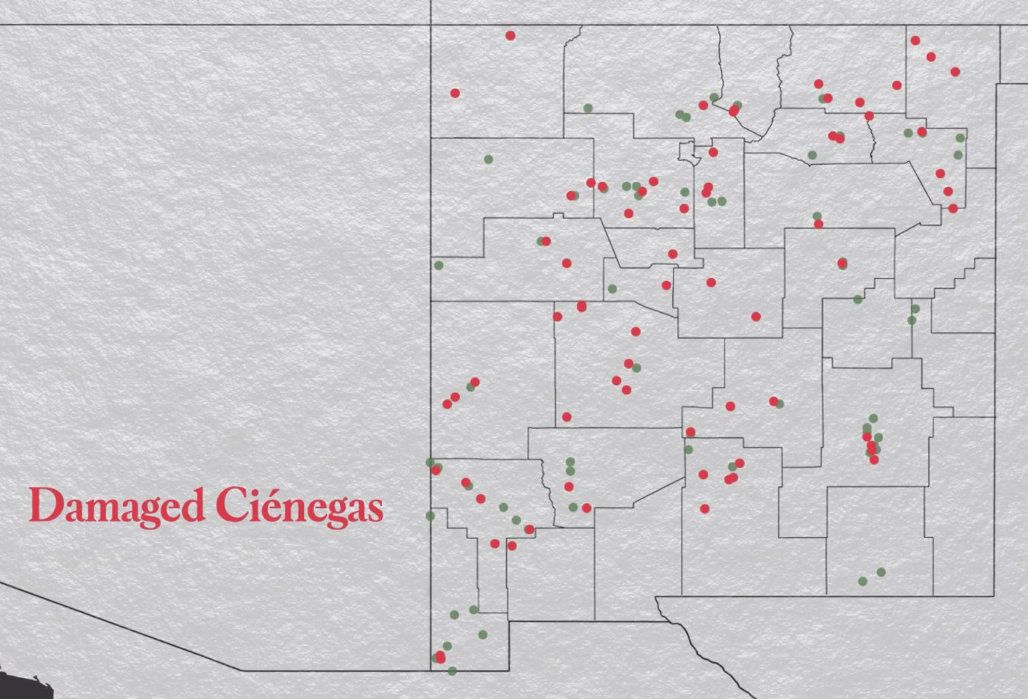
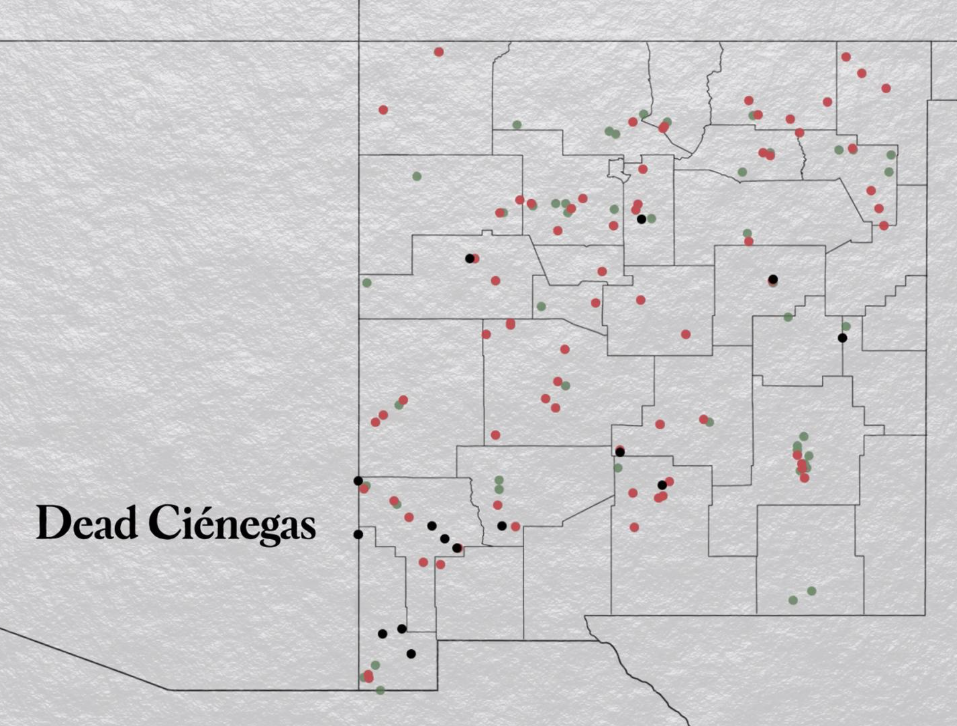
Recently in our line of environmental work, the word “longevity” has come up as an underlying theme. The maximum potential of a restoration site. The lifespan of flora and fauna. The existence of freshwater wetland protection. The resilience of a coastline to climate change. The increase in wetland health and human value. Ciénegas are desert oases we should want around for as long as possible. It’s not just about their existence, but ensuring these wetlands thrive as a productive, healthy ecosystem in which we reap the benefits from. Remember when we said desert and water don’t go together? Gotcha on that one.
Written on: March 20th, 2026 in Education and Outreach, Natural Resources
By Tyler Dreiblatt, DNREC’s Division of Parks and Recreation
We humans often have a hard time understanding the value of our natural resources. Unless something is pretty or has an obvious use, we tend to ignore it. Take the salt marshes surrounding Burton Island. Once dismissed as a dirty breeding ground for mosquitos, they are now recognized as some of the most ecologically important lands that we have.
The first European claimant to Burton Island was William Burton, a wealthy landowner who acquired the area in 1677. It is from his family that the island gets its name. Generations of Burtons grew crops and kept livestock on the island, but they don’t seem to have cultivated it too intensely. A map from the 1840s gives us a clue as to why: almost half of the area was untillable marshland.
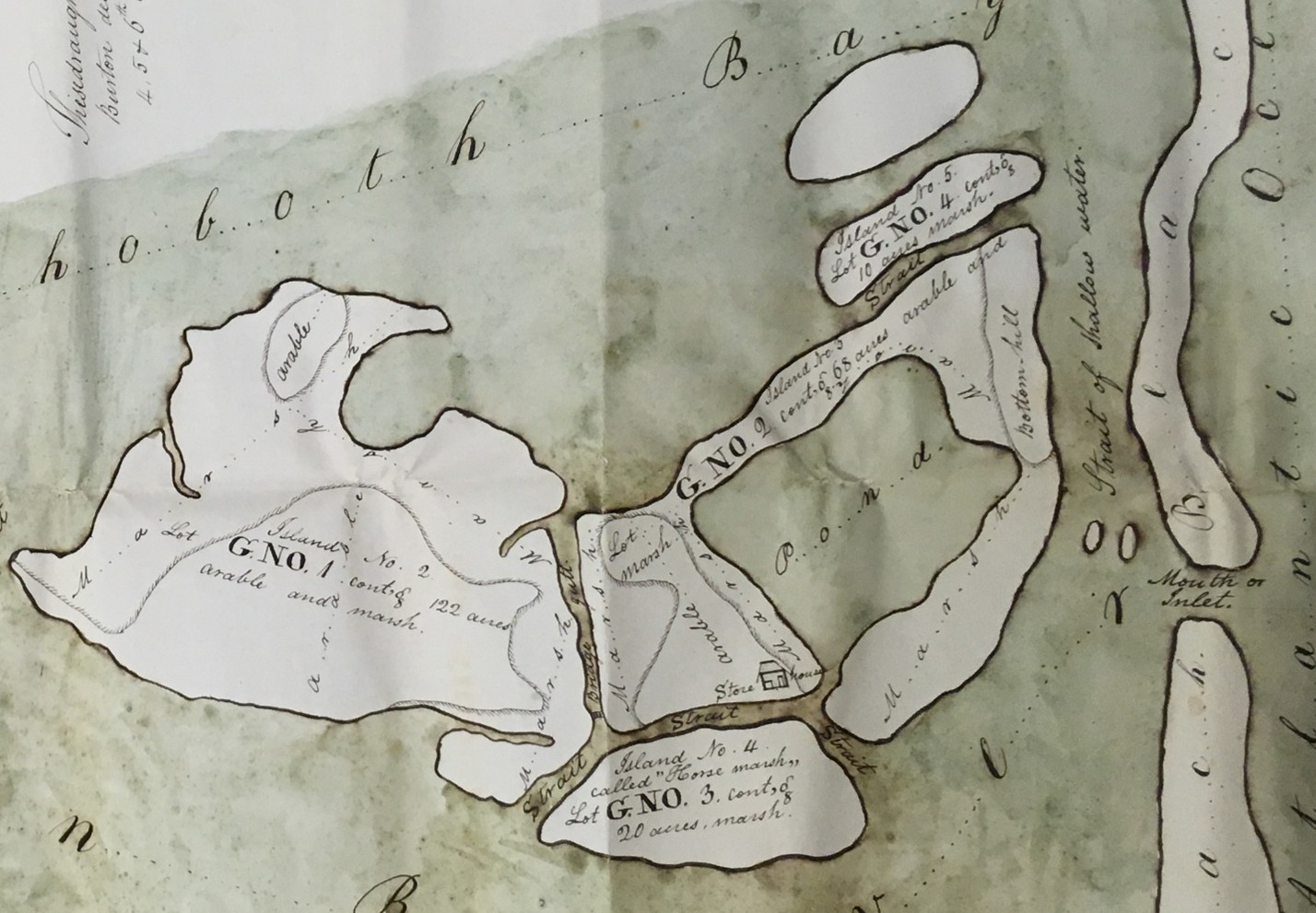
The island stayed in the Burton family until 1875 when Serene Burton married Charles Lingo 1. The Lingos were a well-off family with land of their own, and had no need for a small, marshy farm 2. In 1884 Charles and Serene sold the island to Garrett V.W. Eldert, a businessman who already owned four successful hotels and a restaurant in New York 3. He built a small hotel on the island and organized hunting and fishing trips for wealthy clients. It was known as the New York Club until 1902, when it was taken over by the Sport Royal Club of Philadelphia. By the 1920s the club was no longer profitable. Burton Island changed hands once again, bought this time by Philadelphia businessman Linford P. Faucett 4.
By the 1930s the federal government began to turn its attention to mosquito control. Not only is their bite annoying, but some species can carry diseases like malaria. The Civilian Conservation Corps (CCC) was put to work digging thousands of miles of ditches to drain the wetlands where mosquitos bred 5. This plan did reduce mosquito populations in some areas. Along our coast, however, the ditches created unexpectedly negative changes.
What we failed to realize then was just how important marshes are to both wildlife and human beings. 80% of the breeding bird population in the U.S. relies on wetlands. The same is true for more than 95% of the fish and shellfish we eat in this country 6. Marshes slow and absorb storm water, both reducing flood damage and filtering out harmful pollutants. Salt marshes like those surrounding Burton Island are particularly good at sequestering carbon, locking it in fast-growing but slow-decaying plants like salt meadow hay 7.
Marshes can even be a source of fresh water. When it rains, the lighter fresh water floats on top of heavier salt water. Eventually this can create a natural pool called a “seep.” Seeps at Burton Island provide an important water source for herons, muskrats, frogs, and more 8.
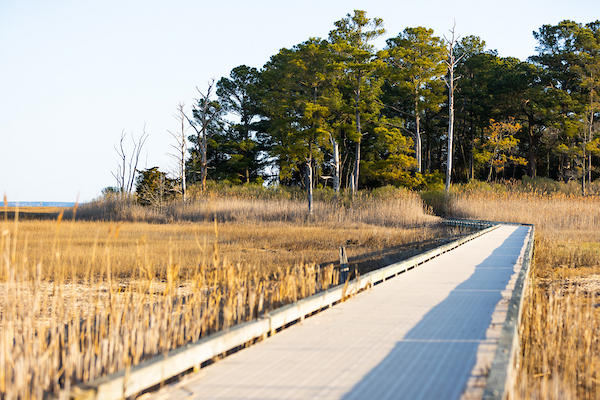
As the ditching continued, the marshes began to decay. Numerous species struggled as their food and shelter disappeared and their water dried out. A striking example comes from “Delaware: A Guide to the First State.” The authors write of Burton Island: “the shallow flats nearby were famous for the great numbers of soft-shell crabs found in the grass that used to grow on the bottom but has since disappeared…the lack of vegetation causes a dearth of small marine life which supplies their food.” 9 This was published in 1938, just a few years after the digging had started.
The 1950s and 1960s also brought more people to the Delaware coast. The Faucett family leased much of Burton Island to the Indian River Yacht Basin marina, which further sublet the land. Eventually there were over 300 seasonal occupants. Unrestrained use of the island only increased pressure on the local ecosystem.
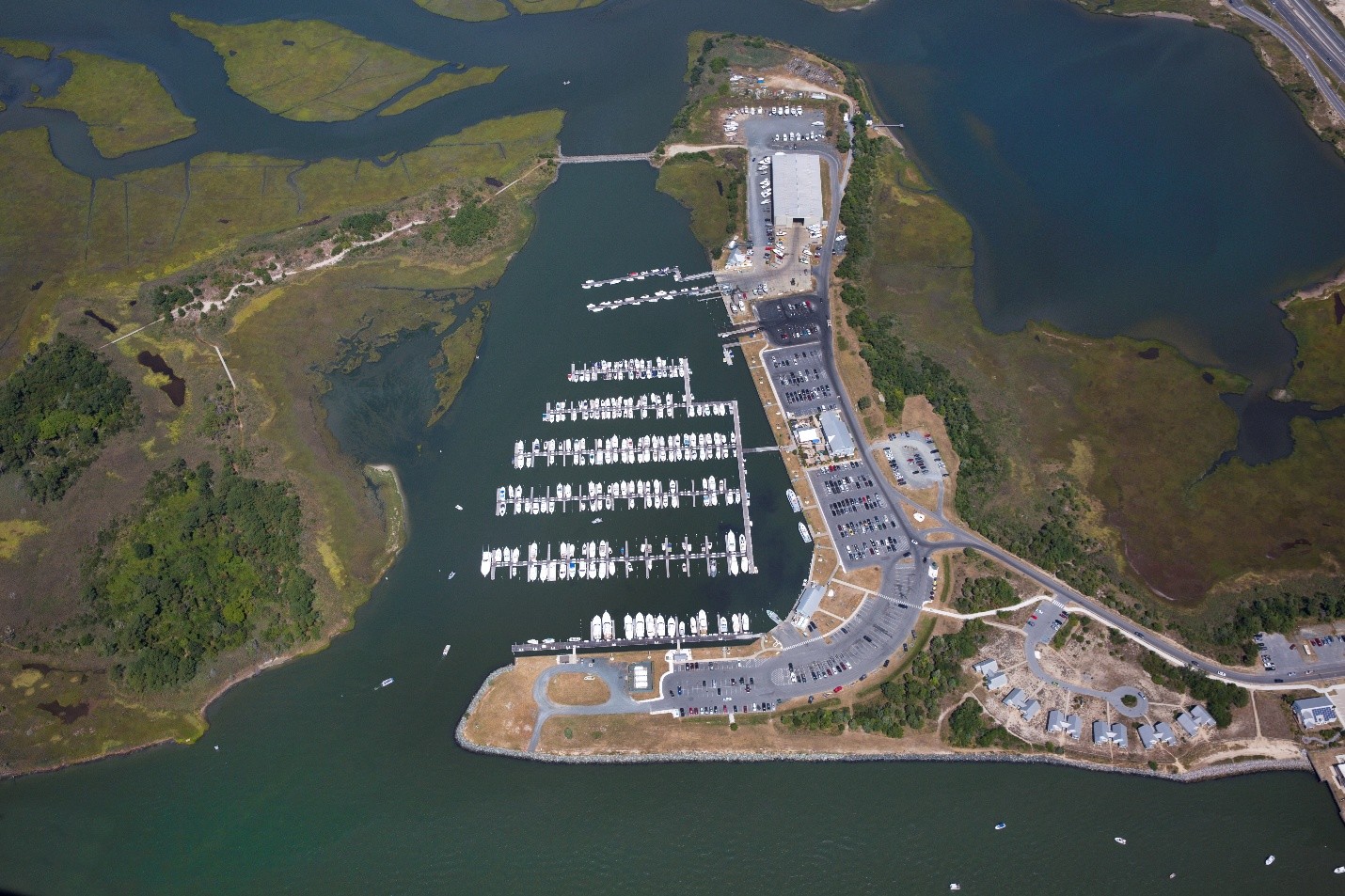
The slow work of repairing these marshes began in 1971 when the State of Delaware bought Burton Island from the Faucetts and added it to Delaware Seashore State Park. Usage was restricted to fishing, picnicking, and boating. 10 In 1981 the old ditches were largely plugged, with certain ditches left connected to marsh ponds. This provides habitat for mosquito-eating fish while also allowing water to move through the environment more naturally. 11 In 2004 the state formally recognized what an ecological treasure Burton Island is and designated it as a state nature preserve. 12 This is the highest protected status that a natural area in Delaware can receive.
Today, Burton Island is a wonderful place to see how much life is packed into a salt marsh. A 1.2-mile trail begins behind the Indian River Marina and takes visitors past fiddler crabs teeming below the boardwalk, mergansers cruising the water, and muskrat paths snaking through the reeds. Plan your visit for colder months- mosquitos, ticks, and other pests can make hikes challenging in warm weather. If you do go during the summer, let the mosquitos remind you how much our perception of the area has changed. Burton Island in the 1800s was a muddy, unwanted farm. For most of the 1900s, the marshes were a nuisance that needed to be drained. Now we finally see how important they are for wildlife and human life.
Delaware's Governor
State Agencies
Elected Officials
General Assembly
Delaware Courts
State Employees
Cities & Towns
Delaware State Code
State Regulations
Business First Steps
Phone Directory
Locations Directory
Public Meetings
Voting & Elections
Transparency
Delaware Marketplace
Tax Center
Personal Income Tax
Privacy Policy
Weather & Travel
Contact Us
Corporations
Franchise Tax
Gross Receipts Tax
Withholding Tax
Delaware Topics
Help Center
Mobile Apps
E-mail / Text Alerts
Social Media


Built by the Government Information Center
©MMXVIII Delaware.gov

