By Alison Rogerson, DNREC’s Wetland Monitoring and Assessment Program
After a long, snowy winter, it seems that spring is finally here. The longer days and springtime thaw gets many of us itching to get outside to work in the backyard. After months of looking out the window at last year’s brown remnants, we can’t wait to clean up, plant, trim and nurture.
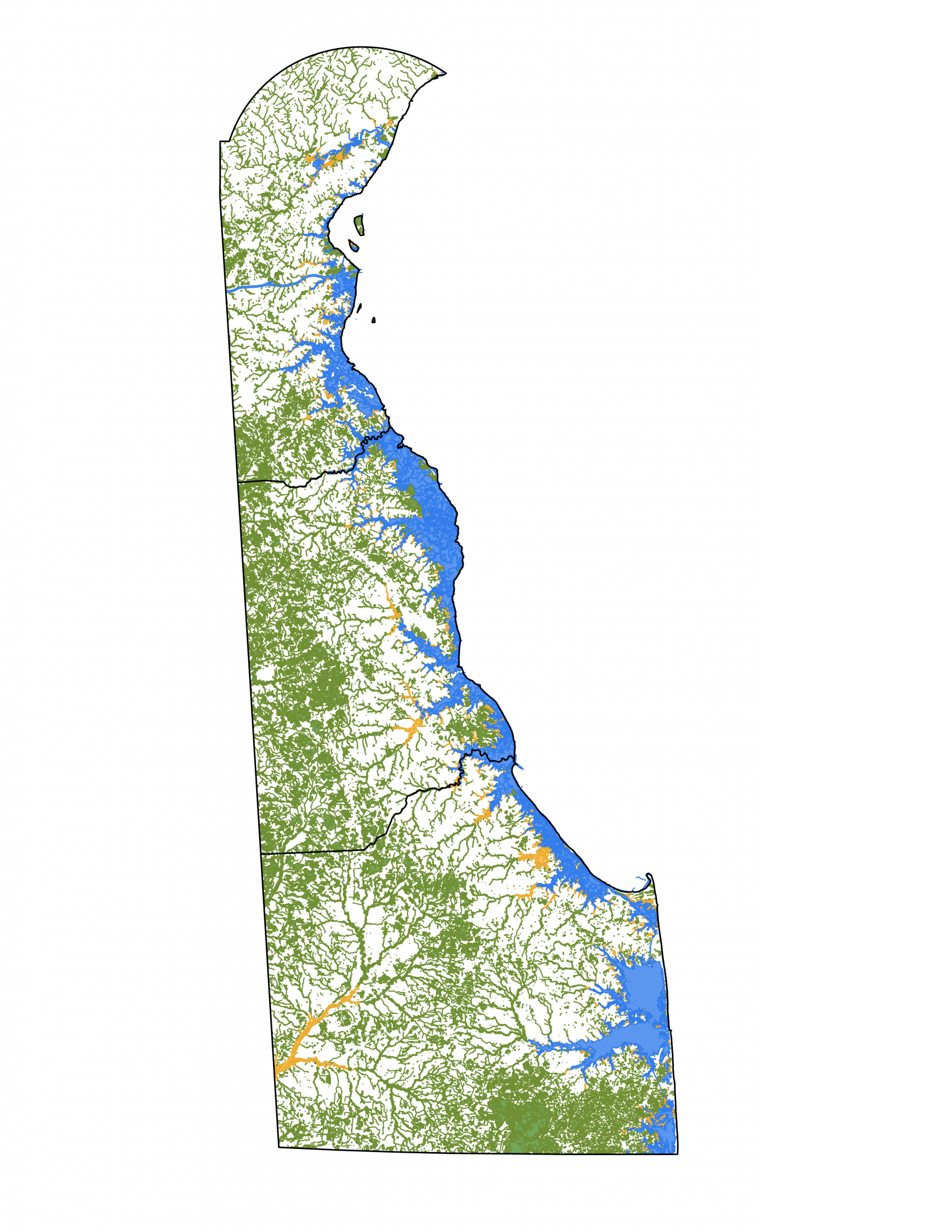
The most recent mapped wetlands in Delaware: non-tidal (freshwater) make up 56% while tidal make up 44% of all wetlands in the First State.
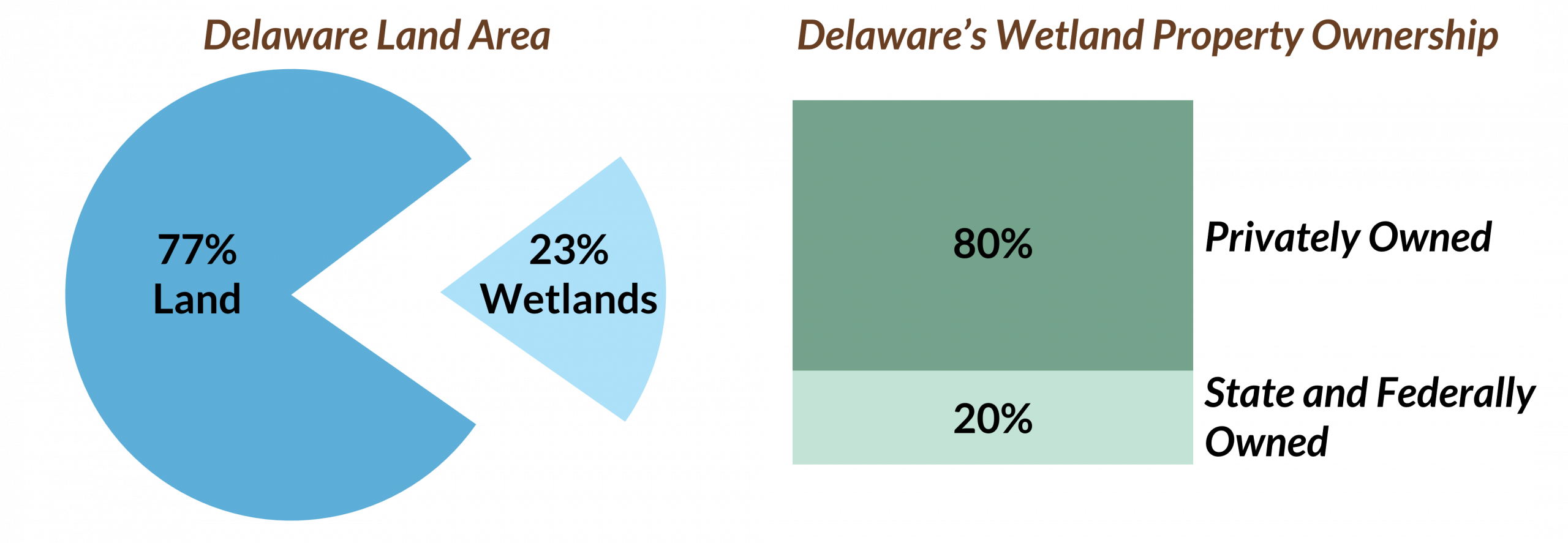
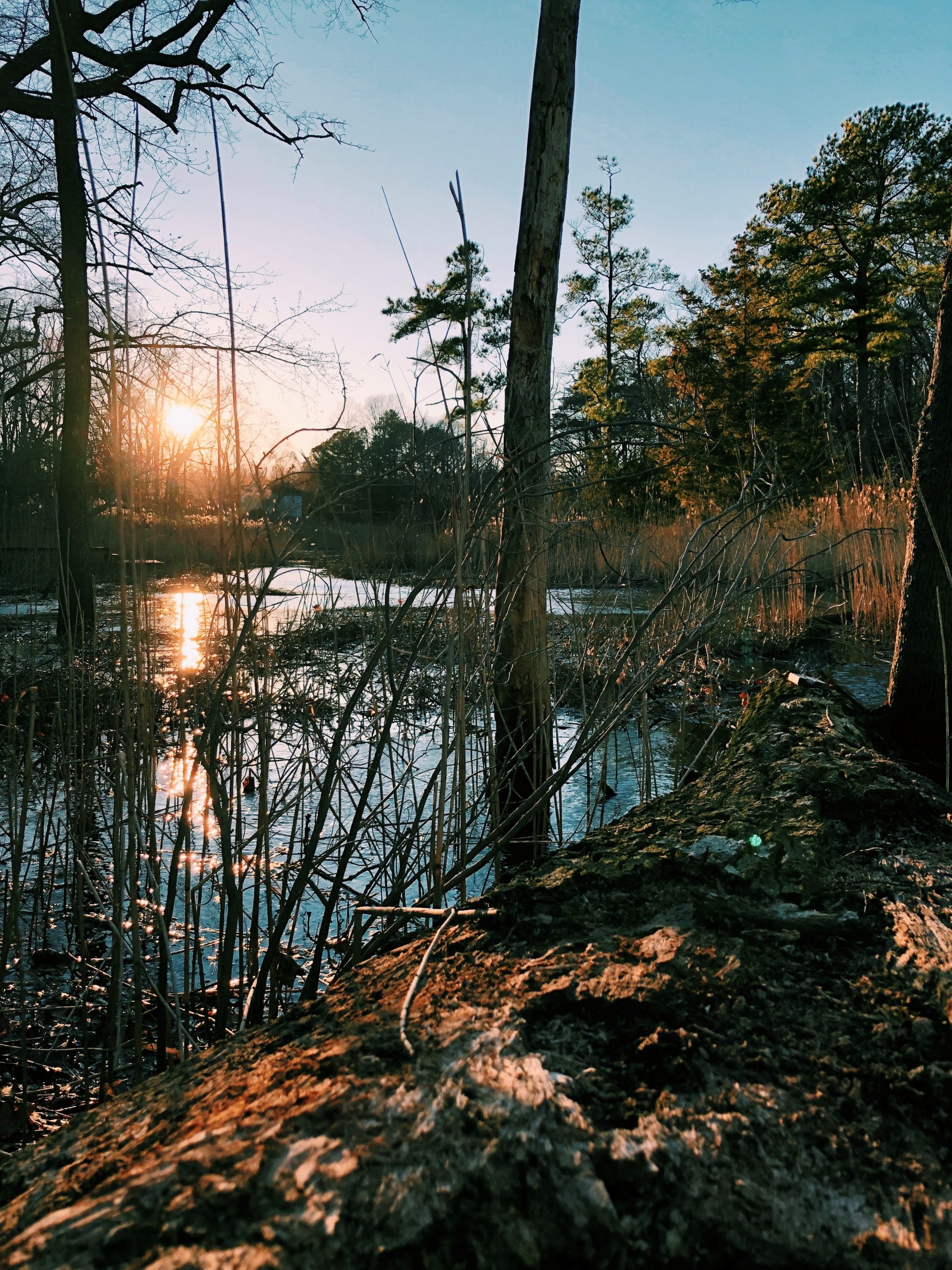
In Delaware, the majority of wetlands are privately owned. This means most of Delaware’s wetlands are in someone’s backyard. Maybe that’s 1 acre, maybe that’s 50 acres. Caretaking your backyard wetlands can be a tricky thing. What’s good for a wetland? Should you leave it alone or help out? The truth is, there are many easy ways you can become a backyard wetland champion. With a pair of good knee boots and a few tips, you’ll be a wetland supporter and caretaker before you can say humidity and greenhead flies.
Don’t Mow. Resist the urge to mow your lawn to the edge of your wetland or stream. The choice to let things grow a little wild creates a riparian or wetland buffer. This strip, even just a few feet wide, protects the wetland by slowing runoff from your upland yard, allowing pollutants to be filtered out, and helping with bank stabilization which reduces erosion and sediment runoff. Plant stalks also provide habitat cover that birds and other small wildlife need and shades the water below which keeps temperatures cooler in the summer and supports aquatic life.
Remove Invasives(and plant natives). The most common wetland invasive offenders in Delaware include Japanese honeysuckle, multiflora rose, narrowleaf cattail, Phragmites, and Japanese stiltgrass. Removal of invasive plants in wetlands does not require a permit (assuming you don’t dig up and excavate the ground) and is actually encouraged. Of course, planting with native species is a key part of keeping your wetland healthy. You can always reference the Delaware Wetland Plant Field Guide help identify plants in your yard or browse for new plants to add. Spring is popular for local nurseries or organizations to host native plant sales so finding new additions should be easy. Select species that are suited for shade or sun and salt or freshwater habitats.
Leave the Leaves (and sticks and snags). Like mowing, resist the urge to collect and remove leaves and loose woody debris on the ground. Likewise, unless they threaten to fall on structures or people, leave standing dead trees in place. All of this woody material is an important source of habitat for cavity nesters such as owls and woodpeckers and wood ducks, and provides cover for ground dwelling animals like turtles, salamanders and insects. Additionally, as sticks and leaves decay, they become important for nutrient cycling and soil health.
Lighten the Load. Wetlands are naturally good filters that can capture and hold back pollutants which allows cleaner water to leave the wetland and run into our waterways. However, wetlands can only handle so much. Do your part to lighten the filtering load on your wetlands by reducing or eliminating the fertilizers and herbicides that you apply to your yard. The excess nutrients and chemicals that run off your upland yard into wetlands degrade water quality by leading to algae blooms and pollution. Even if it seems like your property is fairly flat, all water runs ‘downhill’ in a watershed and eventually ends up in rivers, bays and the ocean. Programs such as Livable Lawns can help you determine the appropriate treatment amounts for you yard and make alternative suggestions.
Let the Water Flow. Going back to the 3 things all wetlands have in common, water is an important one. For wetlands to be healthy and do all the valuable jobs they do, they need to have water. Don’t add ditches to drain water off your wetlands or plug up a stream to create ponding. Avoid using your wetland as a yard waste receptacle. Even natural materials can build up and interfere with wetland function if water cannot move through the way it was intended to. If you want to make major changes or add a structure, consult your local county or DNREC for permitting guidance.
Hopefully, these ideas have motivated and inspired you to be a backyard wetland steward no matter how big or small your wetland is. Still want to do more in your yard? Don’t have a naturally occurring wetland but you want to help? Consider installing a rain garden fed by your gutter downspouts. Also, check out these tips from the Delaware Nature Society: Gardening for Water and Wildlife.
The Wetland Monitoring and Assessment Program’s (WMAP) goal is to assess the health of wetlands and the functions and ecosystem benefits that they provide. We use this information to inform the citizens of Delaware and to improve upon existing education, restoration, protection, and land use planning efforts.