Facebook Twitter Instagram YouTube

Written on: December 22nd, 2025 in Education and Outreach, Natural Resources
By Olivia Allread, DNREC’s Wetland Monitoring and Assessment Program
Sanctuary. All seek it, some search, and a lucky few can find it. As we know, these “sacred” spaces can come in many different forms and represent an untouched meaningfulness which is irreplaceable. One of a kind so to speak. At the far end of the Alaska Peninsula, where the land turns into the Bering Sea, sits a haven of this nature. A remote wetland habitat few know exist and even fewer visit, the Izembek National Wildlife Refuge. The wetlands across this landscape are some of the most unparalleled habitats in world, providing sanctuary to plants and animals of critical importance and are an intact wilderness of global significance. Get to know this refuge and explore its ecological value to all.

The Basics
Due to its remote location and geographical position, the majority of us will never visit this refuge, so we need to know what we’re working with. Though it is the smallest wildlife refuge in Alaska at 310,000 acres in size, roughly the same acreage as Grand Teton National Park, it’s one of the most ecologically unique refuges in the entire U.S. system. Established in 1960 by President Eisenhower as the Izembek National Wildlife Range, the country knew then this was a special place. In 1980, President Carter signed the Alaska National Interest Lands Conservation Act (ANILCA) into law which redefined the area as the Izembek National Wildlife Refuge. ANILCA designated 300,000 acres (nearly all Izembek) as a Wilderness Area, which in congressional language means these areas are designated and intended to have the highest levels of protection to lands by permanently restricting roads and other industrial developments – on top of a smattering of other protections and regulations. Moreover, it was the first place in the U.S. to be designated under the RAMSAR Convention as a Wetland of International Importance with focus on its series of lagoons and surrounding marshes along the coasts. This place is a big deal.
The allure of this refuge has to do with its reclusiveness. Weather wise, you can typically expect cold temperatures with rain, wind, and fog with virtually no visitors. If you happen to have gotten there, it’s probably through the local community of Cold Bay (outside of the refuge itself) via boat, small plane, or off-road vehicle. Though Izembek has a headquarters with a mini visitor’s center in Cold Bay, there are no public-use facilities in the refuge. Just beautiful, sprawling wilderness.
The Wetlands, Water, and Wildlife
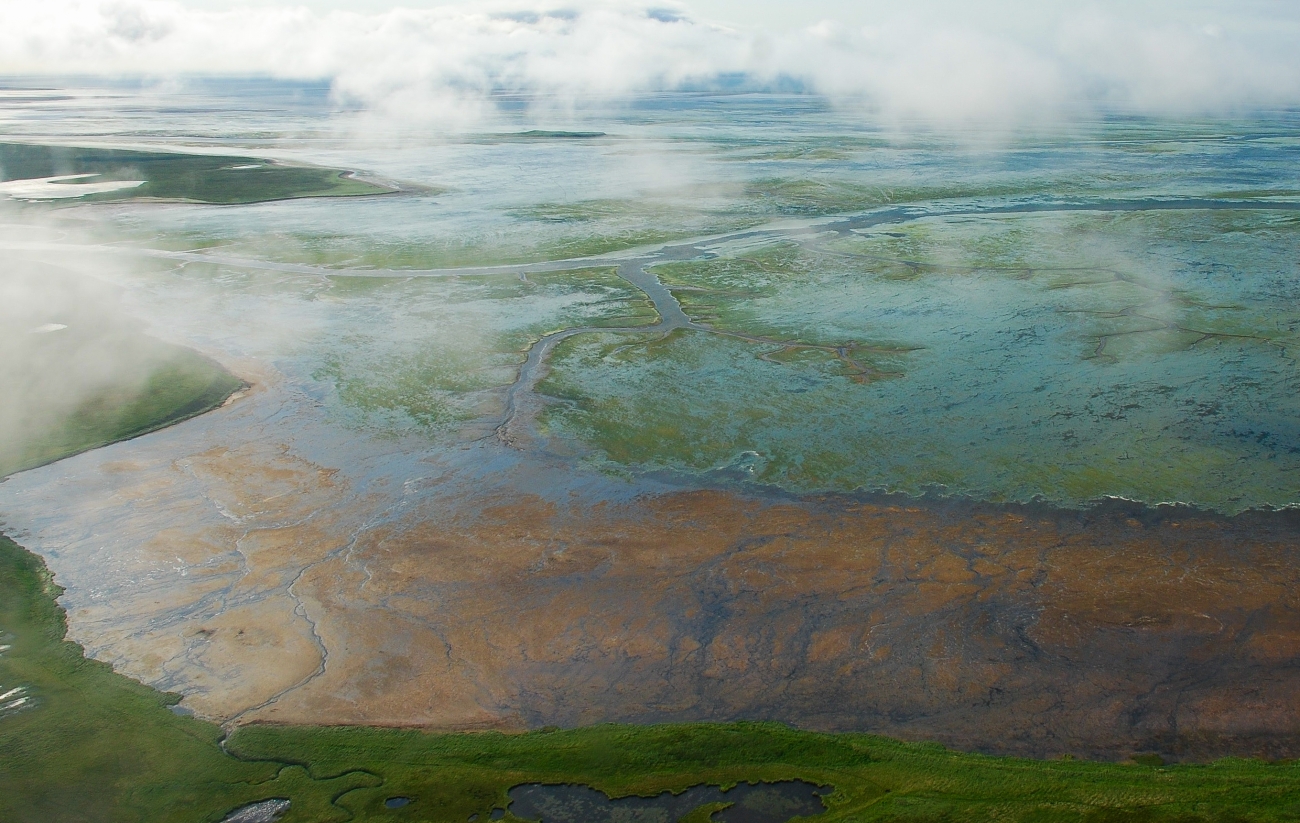
Tucked between the rich waters of the Gulf of Alaska and the Bering Sea, the refuge is full of complex coastal wetland habitats that span miles. Its brackish waters also encompass hundreds of lakes, meandering streams, glaciers, and hot springs. The low bush tundra surrounding the wetland landscapes goes from sea level to volcanic mountains above 9,000 feet. Yes, you heard that right, wetlands and volcanoes right next to each other in a tundra climate. One of the most notable features is the Shishaldin Volcano, that despite having intense eruptions, has held its almost perfect cone shape for centuries.
At the heartbeat of these wetlands is the Izembek Lagoon, home to the world’s largest beds of eelgrass (Zostera marina). Spanning approximately 42,000 acres (65 square miles), these shallow beds are an essential source of food for many species throughout the refuge and a critical plant in coastal wetlands. The eelgrass meadows provide habitat and create nurseries for invertebrates, fish, and birds and create a corridor for larger mammals who roam Izemebek – but we will get to those in a bit! To top it all off, eelgrass is known as the “rainforest of the sea” and acts as a good ecological indicator of an ecosystem’s health because of its connection to species diversity, water quality, carbon storage, and shoreline protection.
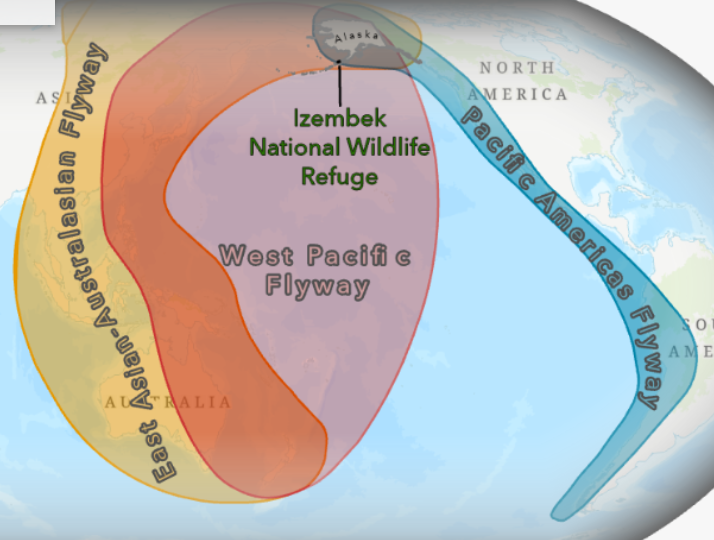
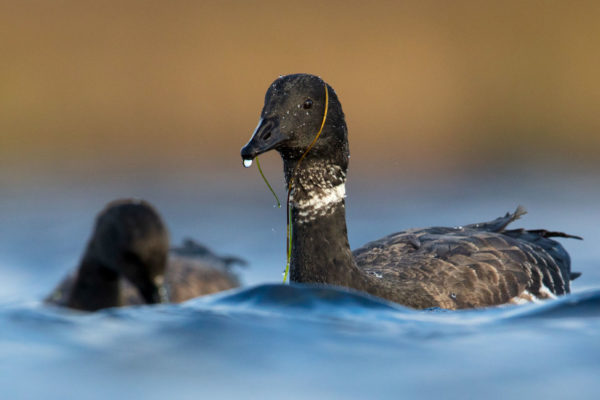
Now onto the wildlife. In true wetland form, seasonal and permanent havens exist for more than 200 bird and mammal species and 40 fish species across Izembek. Three major migratory bird flyways collide making the refuge a hotspot for our incredible avian friends: the East Asian-Australasian, West Pacific, and Pacific Americas flyways. Millions upon millions of birds visit the shores of the lagoons and wade into the wetlands for food, to find shelter, and take a load off after a long journey. Virtually the world’s entire population of the Pacific black brant and emperor goose stop at Izemebek to feed on the massive eelgrass beds during their seasonal migrations. Some species fly over 2,500 miles to reach the refuge! As a crucial wildlife travel corridor along the Alaska Peninsula, Izembek’s isthmus provides a passage for brown bears, caribou, and wolves, as well as safe places for them to rear their young. Year-round residents like the tundra swan, red fox, and moose can be seen frolicking on the shorelines. Minke, gray, and killer whales migrate by the thousands along the cold-water coasts. Hundreds of thousands of salmon begin and end their life cycles in Izembek’s streams. Such a plethora of species are supported in this dynamic coastal ecosystem, and the list could go on, but below are a few more.


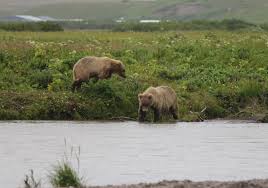
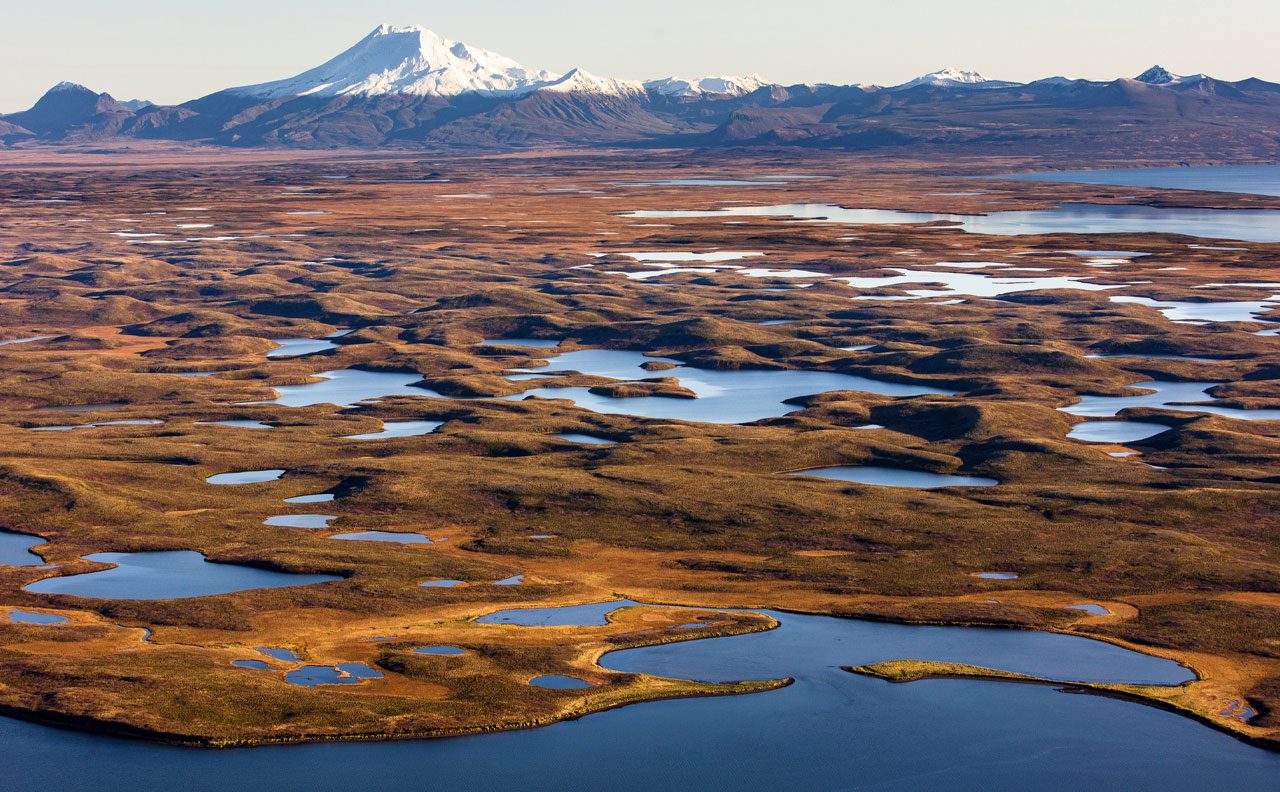

Alaska truly is the last frontier. Its abundant, untouched landscapes and habitats take us to a place where wildlife and wilderness rule, and the outside world has no presence. This refuge where worlds collide – wetlands, volcanoes, underwater meadows – few and far between places like this exist in our world. The wildlife, the Alaskan culture, the plant species, all of it deserves to be protected, and more importantly, studied and shared. The U.S. Fish and Wildlife Service says, “The scenery, wildlife, and wilderness experiences that the refuge offers are truly unique – the experience of a lifetime.”. If the folks who run the show say Izembek is amazing, it must be a natural spectacle, even by Alaska’s standards.
Delaware's Governor
State Agencies
Elected Officials
General Assembly
Delaware Courts
State Employees
Cities & Towns
Delaware State Code
State Regulations
Business First Steps
Phone Directory
Locations Directory
Public Meetings
Voting & Elections
Transparency
Delaware Marketplace
Tax Center
Personal Income Tax
Privacy Policy
Weather & Travel
Contact Us
Corporations
Franchise Tax
Gross Receipts Tax
Withholding Tax
Delaware Topics
Help Center
Mobile Apps
E-mail / Text Alerts
Social Media


Built by the Government Information Center
©MMXVIII Delaware.gov

